NEWS AND BLOG ABOUT NEUROPSYCHOLOGY
The Honest Guide to Cognitive Supplements
Five supplements worth discussing—and five that probably are not worth your money

Since the dawn of humanity, we have used plants and other natural substances to improve health and treat what ails us. In modern times, this often comes in the form of supplements.
You will sometimes hear that supplements are completely unregulated in the United States. That is not quite true. The Food and Drug Administration does regulate supplements, but it treats them more like foods than medications. Unlike prescription drugs, supplements generally do not need to be proven safe or effective before they are sold. Companies can also make broadly worded claims about "supporting" memory or brain health without demonstrating that their product prevents cognitive decline or treats a disease. The FDA often becomes involved only after a product is already on the market and a problem has been identified. (FDA overview)
Unfortunately, the supplement industry in the United States can be extremely predatory. In our neuropsychology practice, we primarily see people over the age of 60. It is common for patients to bring in large plastic bags full of supplements that they have purchased for us to review. Sometimes these supplements have cost them hundreds or even thousands of dollars!
I don’t blame anyone for wanting to protect their brain. Memory loss is scary, and people naturally want something concrete they can do about it. The problem is that advertisements, news stories, and social media posts often take a tiny or preliminary research finding and inflate it into evidence that a product can "boost memory" or "fight dementia."
So how do you know what is actually helpful?
Below are five supplements that may be worth discussing with your physician and five that are unlikely to be worth the cost or risk. Please keep in mind that we are neuropsychologists, not medical doctors. These perspectives are based on our review of the clinical literature, but decisions about supplements should be made with a physician who understands your health conditions, medications, and laboratory results.
First, some bad news
No over-the-counter supplement has convincingly been shown to prevent dementia in a well-nourished older adult.
The National Institute on Aging states that no vitamin or supplement is currently recommended for preventing Alzheimer's disease or cognitive decline. In 2026, the World Health Organization specifically recommended against using B vitamins, vitamin E, omega-3s, or multivitamin/mineral supplements for dementia prevention in people without a diagnosed deficiency. (NIA guidance; WHO guidelines)
That does not mean every supplement is useless. It means that the potential benefit usually depends on the person taking it. A supplement that corrects a genuine deficiency or treats a cardiovascular condition is very different from a pill marketed to every older adult as "brain protection."
With that qualification in mind, here are five options that may be worth discussing.
Five Supplements Worth Discussing

1. Vitamins when you are actually deficient
Vitamins are essential for healthy brain functioning. However, more is not automatically better.
Vitamin B12 deficiency can cause memory problems, slowed thinking, depression, neuropathy, balance difficulties, and other neurological symptoms. Older adults are at increased risk because the body may become less efficient at absorbing B12. Risk is also higher in people who take metformin or acid-reducing medications, follow a vegan diet, have undergone gastrointestinal surgery, or have pernicious anemia.
Thiamine deficiency can also cause serious cognitive and neurological problems, particularly in people with substantial alcohol use, poor nutrition, chronic vomiting, or certain gastrointestinal conditions.
If you are genuinely deficient, correcting that deficiency is important. In some cases, it may prevent further neurological damage. Recovery is less predictable when a deficiency has been severe or present for a long time, which is one reason early evaluation matters. (NIH vitamin B12 review; NIH thiamine review)
However, when vitamin levels are already adequate, supplementation does not reliably improve cognition. A large Cochrane review involving nearly 28,000 predominantly older participants found little or no cognitive benefit from B12, B6, folic acid, or combinations of these vitamins.
There has been some interest in giving high-dose B vitamins to people with mild cognitive impairment and elevated homocysteine. One small trial found less MRI-measured brain atrophy, particularly among people with high homocysteine levels. Unfortunately, larger analyses have not shown that routine B-vitamin supplementation meaningfully prevents cognitive decline or dementia. (VITACOG trial; larger B-vitamin analysis)
The takeaway is simple: Get tested if there is a reason to suspect a deficiency and then treat the problem under medical guidance. Do not assume that taking a massive B-complex will move your brain from "normal" to "supercharged." Chronic high-dose B6 can actually cause nerve damage.

2. A standard multivitamin
This one is more complicated than it initially appears.
The COSMOS research program studied a standard daily multivitamin in more than 5,000 older adults. Across three cognitive sub-studies, people assigned to the multivitamin showed statistically better performance in global cognition and episodic memory than those receiving placebo.
The effects were small. Researchers estimated that they were equivalent to approximately two years of cognitive aging, but that comparison was calculated from changes in test scores. It does not mean that the multivitamin delayed dementia by two years.
In fact, a separate COSMOS analysis did not find a significant reduction in new cases of mild cognitive impairment or dementia over three years. There were relatively few cases, so the analysis may not have been large enough to detect a small effect, but it certainly did not prove that multivitamins prevent dementia.
These findings also came from different sub-studies within one larger research program, not three completely independent clinical trials. The specific product studied was Centrum Silver, so we cannot assume that every multivitamin will produce the same result.
A standard, non-megadose multivitamin may be reasonable if your diet is inconsistent or you are at risk for nutritional gaps. It is inexpensive and generally low risk when used appropriately. Just keep your expectations modest. It is better understood as nutritional insurance with a possible small cognitive benefit than as a dementia-prevention treatment.

3. Omega-3 fatty acids
Omega-3s are available through food, over-the-counter supplements, and regulated prescription medications. Their best-established medical use is not boosting memory but lowering elevated triglycerides. At prescription doses, both EPA-only and combined EPA/DHA products can substantially reduce triglyceride levels.
This may still matter for brain health, although the connection is indirect. Cardiovascular disease, diabetes, and other vascular risk factors increase the likelihood of stroke, white-matter damage, and cognitive decline. Treating these conditions is therefore an important part of protecting the brain. However, we do not currently have evidence that lowering triglycerides with omega-3s specifically prevents cognitive decline.
One prescription product deserves particular attention. Icosapent ethyl, a purified EPA medication, reduced cardiovascular events in certain high-risk patients who were already taking statins and continued to have elevated triglycerides. This should not be generalized to every omega-3 product: a large trial of a prescription EPA/DHA combination did not find the same cardiovascular protection. (REDUCE-IT trial; STRENGTH trial)
The direct cognitive evidence is considerably less encouraging. DHA is an important structural component of the brain, but fish-oil supplements have not reliably improved cognition, prevented dementia, or treated Alzheimer's disease.
In the large VITAL-Cog study, omega-3 supplementation did not slow cognitive decline over approximately three years. More recently, the 2026 PreventE4 trial found that high-dose DHA successfully reached the central nervous system but did not improve cognition or brain structure over 24 months. (VITAL-Cog; PreventE4)
If your triglycerides are severely elevated or remain elevated while you are taking a statin and you also have cardiovascular disease, diabetes, or other major risk factors, ask your physician whether a prescription omega-3 is appropriate. Prescription products are concentrated, regulated, and studied at medical doses. OTC fish oil should not be used as a substitute for treating significant hypertriglyceridemia.
High-dose omega-3 treatment can modestly increase the risk of atrial fibrillation and bleeding in some patients. Discuss it with your physician if you have a history of atrial fibrillation, take anticoagulant or antiplatelet medication, are preparing for surgery, or have a fish or shellfish allergy.
For most people, the preferred approach is to eat fatty fish, such as salmon, sardines, trout, or herring, approximately twice per week. If that is not practical, an OTC fish- or algae-derived product may help increase omega-3 intake. Look for a product that lists the actual amounts of EPA and DHA, rather than simply saying "1,000 mg of fish oil," and consider reputable third-party testing.
Just keep the expectations realistic: Omega-3s may fill a dietary gap or treat a specific medical problem, but they are not a stand-alone treatment for memory loss.
4. Creatine monohydrate

Creatine has received considerable attention as a possible cognitive supplement. It helps cells rapidly regenerate energy, which makes it important in both muscle and brain tissue.
A 2024 meta-analysis found small improvements in memory, attention time, and processing speed among adults taking creatine. However, it did not find a significant improvement in overall cognitive functioning or executive abilities. Benefits also appeared stronger in younger and middle-aged adults than in older participants. One caveat worth flagging: when EFSA's food-safety panel evaluated this same meta-analysis for a health-claim application, it found that the pooling method combined related, non-independent outcomes from the same studies and concluded that no firm conclusions could be drawn from it. So, treat these "significant" findings as unverified possibilities.
A newer review focused specifically on aging found only six relevant studies. Just two were double-blind supplementation trials, while the remainder were observational. That is not enough evidence to conclude that creatine preserves cognition or prevents dementia. (Creatine and aging review)
So why include it here?
Creatine has much better evidence for supporting strength, muscle mass, and resistance training. Those are meaningful benefits for older adults. Maintaining strength and mobility helps people remain active and independent, reduces frailty, and makes it easier to continue doing the physical activity that actually has stronger evidence for supporting brain health.
Creatine monohydrate is also inexpensive and one of the better-studied sports supplements. A typical maintenance dose is 3–5 grams per day, without requiring an initial "loading" period. However, people with kidney disease or complicated medical histories should discuss it with their physician first.
Our view is that creatine is reasonable for an older adult who is doing resistance training and wants to support muscle health. A cognitive benefit is possible, but it should be considered a bonus—not the primary reason to take it.

5. Medium-chain triglycerides for mild cognitive impairment
Medium-chain triglycerides, or MCTs, can be converted into ketones, which the brain can use as an alternative energy source. This has generated interest because the aging brains and those impacted by Alzheimer’s disease may become less efficient at using glucose.
In the BENEFIC trial, people with mild cognitive impairment consumed a ketogenic MCT drink for six months. The treatment group improved on selected measures of memory, verbal fluency, naming, and executive functioning. Other cognitive outcomes did not significantly improve.
This is promising, but there are several reasons for caution. The trial had substantial dropout, gastrointestinal problems were common, and the study did not show that MCTs prevented progression to dementia or altered Alzheimer's disease. Some of the researchers also had relationships with the company involved in developing the product.
A later meta-analysis found a possible benefit for general cognition but not for memory, language, or attention considered separately.
MCTs therefore should not be treated as a general brain supplement for every older adult. They may be worth discussing as a monitored experiment for someone with objectively diagnosed mild cognitive impairment. Diarrhea, nausea, stomach discomfort, and the additional calorie load can make long-term use difficult.
It is also important not to assume that adding coconut oil to everything will produce the same result. The clinical trials generally used specific, concentrated MCT formulations designed to raise blood ketone levels.
Five Supplements That Probably Are Not Worth It

1. Prevagen and proprietary "brain health" blends
Prevagen is probably the most recognizable example of a heavily marketed cognitive supplement. Its main ingredient is apoaequorin, a calcium-binding protein originally found in jellyfish. It sounds scientific, which is apparently enough to sell a very expensive bottle of pills.
The evidence does not establish that Prevagen meaningfully improves memory. Its manufacturer's own study did not show a significant overall benefit on its primary cognitive outcomes. Positive advertising claims largely came from later subgroup analyses, which are particularly vulnerable to false-positive findings.
The Federal Trade Commission and the New York attorney general took the company to court over its advertising. In 2024, a jury concluded that the company had not substantiated its memory claims with reliable scientific evidence, and the company was subsequently ordered to stop making several of those claims. (FTC case summary; New York attorney general's summary)
The same general caution applies to proprietary "memory support" blends. These products often contain long lists of ingredients without clearly stating how much of each one is included. Some engage in "fairy dusting," meaning they add tiny amounts of trendy ingredients so they can display those names on the bottle.
Others contain caffeine or a related stimulant, which may temporarily increase alertness. That can make someone feel sharper for a few hours, but it is not evidence that the product improves memory or protects the brain.
At best, many of these blends create very expensive urine. At worst, their numerous ingredients make medication interactions and adverse effects difficult to predict.

2. Ginkgo biloba for prevention or ordinary memory complaints
Ginkgo biloba has been used medicinally for centuries and is commonly marketed as a natural way to increase blood flow and improve memory.
For cognitively healthy adults, the evidence is not convincing. The large Ginkgo Evaluation of Memory trial followed more than 3,000 older adults for approximately six years. Ginkgo did not prevent dementia, reduce Alzheimer's disease risk, or slow cognitive decline.
An updated 2026 Cochrane review reached a more nuanced conclusion. Ginkgo probably provides little or no benefit for people with subjective memory concerns or mild cognitive impairment. In people who already have diagnosed dementia, specific standardized extracts may produce small short-term improvements in cognition and daily functioning. However, results varied considerably across studies.
That does not justify buying a generic ginkgo supplement to prevent memory loss. The positive dementia trials generally involved particular standardized extracts, often EGb 761, rather than whatever happens to be available at the grocery store.
Ginkgo may also interact with medications affecting bleeding and may be inappropriate for people with seizure disorders or those preparing for surgery. If someone with diagnosed dementia wants to consider a standardized ginkgo extract, that should be a conversation with their treating physician. For everyone else, the evidence does not support it as a preventive memory supplement.

3. High-dose vitamin E and antioxidant supplements
Oxidative stress is involved in aging and neurodegenerative disease. This has been used to market countless "antioxidant" supplements as protection against brain aging.
Unfortunately, a plausible biological mechanism does not guarantee a useful treatment. This is an important fact to keep in mind with many proposed cognitive supplements.
Vitamin E has not been shown to prevent dementia or stop mild cognitive impairment from progressing to Alzheimer's disease. One trial found that 2,000 IU of vitamin E per day modestly slowed the loss of daily functioning in people with mild-to-moderate Alzheimer's disease. However, it did not significantly improve their cognitive test scores.
That dose is far beyond what someone would obtain through food and may increase bleeding risk or interact with anticoagulant medication. It should not be attempted without medical supervision.
More broadly, trials of vitamin C, beta-carotene, vitamin E, and similar antioxidant supplements have not demonstrated consistent cognitive protection. Antioxidant-rich foods are still worth eating. Fruits, vegetables, nuts, beans, and other plant foods provide fiber, micronutrients, and many compounds working together.
That does not mean isolating one antioxidant and swallowing an enormous dose will provide the same benefit.

4. Bacopa monnieri
Bacopa is an herb used in traditional Ayurvedic medicine and is frequently marketed for memory, learning, and concentration.
Some small trials have reported improvements in specific memory measures after several months of use. However, the studies use different extracts, doses, populations, and cognitive tests. Many have small sample sizes or a high risk of bias.
A 2025 randomized trial involving 101 adults found no significant benefit on its primary measures of verbal learning, attention, or working memory. People taking bacopa also reported more gastrointestinal symptoms and headaches.
Bacopa may increase acetylcholine, which creates potential interactions with anticholinergic medications and with cholinergic medications such as donepezil. It may also affect thyroid hormone and should be approached cautiously by people taking thyroid medication.
There may eventually turn out to be a particular bacopa extract that provides a small cognitive benefit. Right now, the inconsistency of the products and evidence makes it difficult to recommend, especially for an older adult already taking several medications.
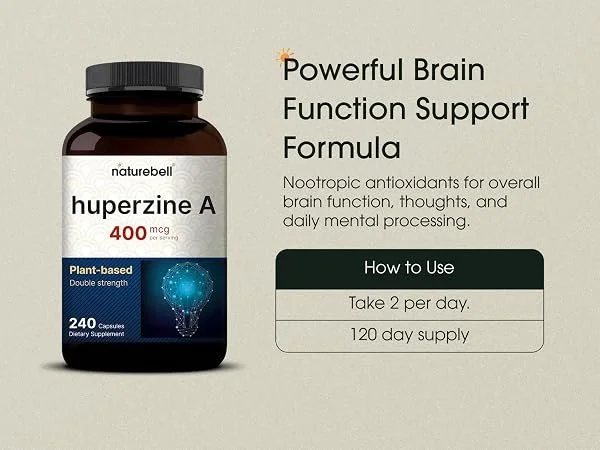
5. Huperzine A
Huperzine A is derived from Chinese club moss. Unlike many supplements that are primarily nutritional, it has a drug-like action: It inhibits acetylcholinesterase and increases acetylcholine in the brain.
That is the same general neurotransmitter system targeted by prescription Alzheimer's medications such as donepezil, rivastigmine, and galantamine.
Small studies have suggested possible cognitive benefits in Alzheimer's disease or vascular dementia, but reviews have repeatedly noted poor study quality, small samples, and inadequate reporting. Cochrane concluded that the available evidence was insufficient to establish whether huperzine A is an effective Alzheimer's treatment.
Because it acts on acetylcholine, huperzine A can potentially cause nausea, diarrhea, sweating, slowed heart rate, dizziness, sleep disruption, muscle cramping, or fainting. Combining it with a prescription acetylcholinesterase inhibitor could amplify these effects.
This is not something I would recommend experimenting with independently—particularly if someone has dementia, heart-rate abnormalities, or an already complicated medication list.

What About Citicoline, Curcumin, Tyrosine, Saffron, and Probiotics?
Several other supplements have interesting preliminary research but do not currently belong on a short list of proven cognitive interventions.
Citicoline has shown positive results in a few small studies, but the older-adult evidence is not sufficiently independent or replicated. Curcumin has promising laboratory research, and the newest trials disagree with each other: a 2025 meta-analysis of ten human studies found no significant overall improvement in global cognition, while a separate 2025 meta-analysis of a different set of trials found a significant benefit that was concentrated in participants over 60 taking at least 800 mg/day for 24 weeks or longer. Bacopa has inconsistent evidence, as discussed above.
L-tyrosine may help maintain performance during extreme sleep deprivation, cold exposure, or other acute stressors. Most of that research does not involve typical older adults concerned about dementia. In one small older-adult study, a higher dose actually worsened performance on a demanding working-memory task.
Saffron, strain-specific probiotics, magnesium L-threonate, and benfotiamine are all being studied. At this point, their positive evidence generally comes from small, short, highly specific, or manufacturer-connected trials. That makes them interesting research candidates but not established recommendations.
"Needs more research" does not mean "definitely does not work." It means that consumers should not be asked to spend substantial money based on marketing that is running far ahead of the evidence.
How to Evaluate a Supplement

Before buying something marketed for memory, ask yourself:
What exact problem am I trying to treat? A diagnosed B12 deficiency is a specific problem. "I want a younger brain" is not.
Was the product studied in people like me? A small study of sleep-deprived college students does not establish dementia prevention in adults over 70.
Was the exact ingredient and dose studied? Evidence for a standardized extract cannot automatically be applied to every product containing the same plant.
Did the study show a meaningful benefit? A statistically significant change on one cognitive test does not necessarily mean that patients or families noticed an improvement.
Did it prevent dementia—or just slightly change a test score? These are very different outcomes.
Could it interact with my medications? "Natural" substances can affect bleeding, blood pressure, heart rhythm, thyroid function, liver enzymes, sleep, and neurotransmitter systems.
Has the product undergone legitimate third-party testing? USP, NSF, or another reputable independent organization can provide some reassurance that the contents match the label. This does not prove that the supplement works.
Whenever possible, choose a single-ingredient product that clearly states its dose. Avoid proprietary blends, dramatic promises, celebrity testimonials, and claims that a product "detoxes," "reverses," or "shields" the brain.
The Bottom Line

The strongest argument for a supplement is usually not that it enhances an already healthy brain. It is that it corrects a documented deficiency, fills a meaningful dietary gap, or treats a medical condition that places the brain at risk.
That is why B12 can be extremely important for one person and useless for another. It is why prescription omega-3 medication can be beneficial for a specific cardiovascular patient while an OTC fish-oil capsule does nothing noticeable for someone else. It is also why a multivitamin can be reasonable without being a dementia-prevention drug.
If you are concerned about your memory, the most useful first step is not a trip to the supplement aisle. It is a proper evaluation. Medication effects, poor sleep, depression, hearing loss, alcohol use, thyroid disease, vitamin deficiencies, vascular illness, and many other treatable conditions can affect cognition.
For long-term brain health, the interventions with the strongest support remain much less flashy: regular physical activity, treatment of high blood pressure and diabetes, adequate sleep, addressing hearing loss, not smoking, limiting alcohol, maintaining social and cognitive engagement, and eating a balanced diet.

When Should Your Loved One Stop Driving?
"I've been driving since before you were born! I know how to drive!"

This familiar phrase often marks the beginning of a difficult conversation between older adults and their families about driving. For many older adults, driving is more than just a means of getting around; it's a key part of their independence and identity. However, as we age, physical and cognitive changes can make driving more challenging and potentially dangerous. Understanding when it’s time to stop driving is crucial, not only for the safety of the driver but also for everyone on the road. This guide explores the signs that it might be time to reconsider driving, strategies for assessing driving abilities, ways to have sensitive conversations, and resources to support a smooth transition to alternative transportation.
Recognizing the Signs: When to Reevaluate Driving Abilities
Aging can lead to various changes that may impact driving safety:
Physical Declines: Vision loss, hearing impairment, arthritis, and slower reaction times can significantly impact an older adult's driving ability. Reduced peripheral vision or difficulty judging distances can lead to unsafe situations, especially in busy or complex traffic conditions.
Cognitive Declines: Cognitive impairments such as slowed processing speed, poor executive functioning, visuospatial deficits, and significant memory loss are common in older adults and can severely impact driving skills. These issues can cause delays in reaction times, difficulties in navigating, or an increased likelihood of getting lost, even in familiar areas. Such cognitive changes can also affect decision-making abilities, making it harder to respond appropriately in fast-changing traffic situations(WashU Med,PubMed).
Behavioral Changes: Specific signs that an older adult's driving might be declining include getting lost on familiar routes, drifting between lanes, frequent minor accidents, or an increased hesitance to drive at night or on highways.
Strategies for Assessing Driving Abilities

Drive-Along Evaluations: One practical approach for families is to spend time driving with their loved one as a passenger. This allows them to observe their driving skills firsthand. Pay attention to key indicators such as difficulty in maintaining lane position, delayed reactions to traffic signals, and confusion in navigating known routes. If family members feel too afraid to ride along with their loved one, this itself is a significant warning sign that should not be ignored.
Professional Driving Evaluations: Another valuable yet often underutilized resource is a professional driving evaluation. These evaluations can be conducted through hospital rehabilitation programs or specialized driving schools. They provide an objective assessment of an individual’s driving skills and offer recommendations on whether it is safe for the person to continue driving. Occupational therapists who specialize in driver rehabilitation can assess both physical and cognitive abilities, provide adaptive equipment, or suggest strategies to compensate for any deficits. These evaluations can also help tailor training programs to address specific challenges faced by older drivers.
How to Approach the Conversation: Tips for Families
Discussing driving cessation with an older adult is never easy, but it is essential for their safety and the safety of others on the road. Here are some strategies to guide the conversation:
Start the Conversation Early: Don’t wait for an accident or a close call to have the discussion. Bringing up the topic early allows for more time to assess abilities, explore options, and emotionally prepare for the transition.
Use Empathy and Respect: Understand that driving is a sensitive subject tied to an individual’s sense of independence. Approach the topic with empathy and focus on your concern for their safety and the safety of others.
Present Objective Evidence: Use specific examples of unsafe driving behaviors or results from recent cognitive assessments to illustrate concerns. If professional driving evaluations have been conducted, share those results to provide an objective basis for the discussion.
Involve Healthcare Professionals: Bringing in a third party, such as a doctor or an occupational therapist, can help provide an unbiased perspective. Healthcare professionals can help explain the risks and provide recommendations for next steps.
Transitioning from Driving: Maintaining Independence
Stopping driving doesn’t mean giving up independence. Here are some strategies to help maintain quality of life:
Explore Transportation Alternatives: Look into public transit, rideshare services, community shuttles, and volunteer driver programs. Many communities offer resources specifically designed to assist older adults.
Encourage Social Engagement: Encourage participation in activities that don’t require driving, such as joining local clubs, attending senior center activities, or participating in community events. Staying socially active can help prevent isolation, a common concern when someone stops driving.
Provide Practical Support: Family members and friends can offer rides and check in regularly, ensuring the older adult remains socially active and engaged.
Conclusion: Balancing Safety and Independence
Deciding when to stop driving is a deeply personal and often emotional decision. By recognizing the signs of declining driving ability, understanding the impact of cognitive changes, and approaching the conversation with empathy and respect, families can help their loved ones transition safely while preserving their independence as much as possible. Early planning and considering all factors—from health and safety to emotional well-being—will help make the best decision for everyone involved. Utilizing resources like drive-along evaluations and professional driving assessments can provide valuable insights and support in making this important decision.
FAQ: Common Questions About Older Adults and Driving
1. Can a doctor take away an older adult's driver's license?
A doctor cannot directly revoke an older adult’s driver's license. However, they can recommend that a patient stops driving if they believe it is unsafe due to physical or cognitive impairments. In some cases, doctors are mandated by law to report patients with certain medical conditions to the Department of Motor Vehicles (DMV), who then has the authority to evaluate the individual's ability to drive and possibly revoke or restrict their license.
2. What should families do if an older adult is resistant to stopping driving?
Resistance to stopping driving is common because driving is often closely linked to independence and self-sufficiency. Families should approach the conversation with empathy and understanding. They can start by discussing specific concerns and observations and suggesting a professional driving evaluation for an objective assessment. If resistance continues, involving a healthcare professional such as a doctor or an occupational therapist may help provide a neutral perspective and reinforce the importance of safety.
3. Are there resources available for older adults to continue driving safely?
Yes, several resources are available to help older adults drive safely. Adaptive driving evaluations through hospital rehabilitation programs or specialized driving schools can assess both physical and cognitive abilities and recommend adaptive equipment or modifications. Additionally, driver refresher courses specifically designed for older adults can help them brush up on their skills and learn new techniques to compensate for any deficits.
4. What are some alternatives to driving for older adults who can no longer drive safely?
There are many alternatives to driving that can help maintain an older adult’s independence. Options include public transit, rideshare services like Uber or Lyft, community shuttles, volunteer driver programs, and family or friends providing rides. Many communities also offer transportation services specifically designed for seniors, such as paratransit services or senior ride programs.
5. How can families support an older adult who has stopped driving to prevent isolation and depression?
Stopping driving can lead to feelings of isolation and depression due to reduced social interaction and freedom. Families can support their loved ones by encouraging participation in social activities that do not require driving, such as community events, clubs, or senior centers. Offering regular rides to social events, checking in frequently, and ensuring they remain engaged with their community are also helpful strategies.
6. How often should older adults be re-evaluated for their driving abilities?
There is no one-size-fits-all answer, as re-evaluation frequency depends on the individual’s health condition. Generally, if an older adult shows any signs of cognitive decline, physical impairment, or behavioral changes that might affect their driving, they should be re-evaluated by a healthcare professional or through a professional driving assessment. Otherwise, periodic assessments every year or two might be sufficient, especially if there are underlying health concerns.
By addressing these common questions, families can be better prepared to navigate the challenging, yet important, conversations about driving safety with their older loved ones.
Top Five AI Scams Targeting Older Adults and How to Protect Against Them
Introduction
As technology advances, so do the tactics of scammers who exploit it for malicious purposes. Older adults are increasingly becoming targets of AI-driven scams, which are more sophisticated and convincing than ever before. Understanding these scams and learning how to protect against them is crucial to safeguarding the financial and emotional well-being of our elderly loved ones.

Why Older Adults Are Targets for Scams
Older adults are prime targets for scammers for several reasons:
Technological Vulnerability: Many seniors are less familiar with modern technology, making them more susceptible to tech-based scams.
Cognitive Decline: Potential cognitive impairments can make it difficult for seniors to recognize and respond to scams.
Isolation: Loneliness can increase susceptibility to scams, especially those involving fake social interactions or emergencies.
Financial Resources: Seniors often have substantial savings or assets, making them attractive targets for financial scams.
According to the FBI, over 101,000 victims aged 60 and over reported being targeted by scams in 2023, with tech support scams being the most widely reported (Federal Bureau of Investigation).

Current Most Common AI-Driven Scams
AI Voice Impersonation Scams
Description: Scammers use AI to clone the voices of loved ones, making calls that sound alarmingly real. They often pose as relatives in distress, needing urgent financial help.
Examples and Impact: A couple in Harris County, Texas, was convinced their son was in trouble and handed over $5,000 to a scammer who cloned their son's voice (khou.com).
Sources: Reports from SeniorCenters.com and AARP highlight several such cases (SeniorCenters.com) (AIHC) (Kirsten Gillibrand).
AI-Powered Phishing Attacks
Description: Personalized phishing emails or messages created using AI-gathered data make scams more convincing. They often appear to be from banks or government agencies.
Examples and Impact: Seniors may receive emails that look legitimate, requesting account verification or personal information, leading to financial loss.
Sources: AARP and American In-Home Care have documented these enhanced phishing tactics (AARP States) (Allure Home Care) (Federal Bureau of Investigation).
Voice Cloning Scams
Description: Similar to AI voice impersonation, but scammers pose as trusted professionals like doctors.
Examples and Impact: A senior might get a call from someone who sounds like their doctor, asking for payment for medical procedures or personal health details (Allure Home Care) (Kirsten Gillibrand).
Fake Tech Support Scams
Description: AI is used to mimic tech support representatives from reputable companies, convincing victims that their computer has issues needing immediate resolution.
Examples and Impact: Seniors might be tricked into giving remote access to their computers or paying for unnecessary software.
Sources: FBI and Allure Home Care report the prevalence of these scams (Allure Home Care) (Federal Bureau of Investigation).
AI-Driven Investment Scams
Description: Scammers use AI to create convincing investment opportunities, promising high returns, often through fake websites or communications.
Examples and Impact: Seniors may be lured into investing significant sums of money into fraudulent schemes.
Sources: IRS and AARP have highlighted the rise in such scams (Allure Home Care) (IRS).
Ways to Protect Against AI Scams
Education and Awareness:
Regularly educate seniors about the latest scams and how they operate.
Encourage them to stay informed about technological advances and their potential risks.
Verification Methods:
Always verify requests for money or personal information through secondary methods. For example, if someone claims to be a family member in distress, call them back on a known number to confirm.
Use code words within the family that only immediate members know, to verify the identity of callers in case of emergency (AIHC) (Allure Home Care).
Caution with Emails and Links:
Avoid clicking on links or downloading attachments from unknown or unexpected emails. Instead, visit the website directly by typing the URL in the browser.
Verify the email address and contact the institution directly using known contact information if in doubt (AARP States) (Allure Home Care).
Reporting Scams:
Report any suspected scams to authorities like the FTC or the FBI's Internet Crime Complaint Center (IC3). Quick reporting can help prevent further victimization and aid in tracking down scammers (Federal Bureau of Investigation) (Kirsten Gillibrand).
Family Involvement:
Family members should regularly check in with their older loved ones about any unusual calls, emails, or financial activities.
Setting up financial alerts or monitoring systems can help detect suspicious transactions early.
Encourage open communication about any interactions that seem suspicious or too good to be true.

Future AI Scam Trends to Look Out For
Advances in AI Technology:
As AI technology continues to advance, scams are likely to become more sophisticated and harder to detect.
Enhanced Personalization:
AI will enable scammers to create more personalized and convincing scams, tailored to the specific interests and behaviors of their targets.
Proactive Measures:
Staying informed and adopting proactive protective measures will be crucial. Continuous education about new scam tactics and technological advances can help mitigate the risks.
Conclusion
Protecting older adults from AI-driven scams requires vigilance, education, and proactive measures. By understanding the common types of scams and how they operate, seniors and their families can better safeguard against these threats. Encouraging open communication and regular check-ins can also play a significant role in preventing fraud. Stay informed, stay cautious, and help protect our elderly loved ones from becoming victims of these increasingly sophisticated scams.
This comprehensive guide provides an in-depth look at the current landscape of AI-driven scams targeting older adults, offering practical advice on how to stay protected. For more detailed information, you can refer to sources such as AARP, the FBI, and the IRS (SeniorCenters.com) (Federal Bureau of Investigation) (IRS) (Kirsten Gillibrand) (Default) (TidBITS) (GeekWire) (khou.com).

Neurofeedback: A Closer Look at Its Applications and Evidence
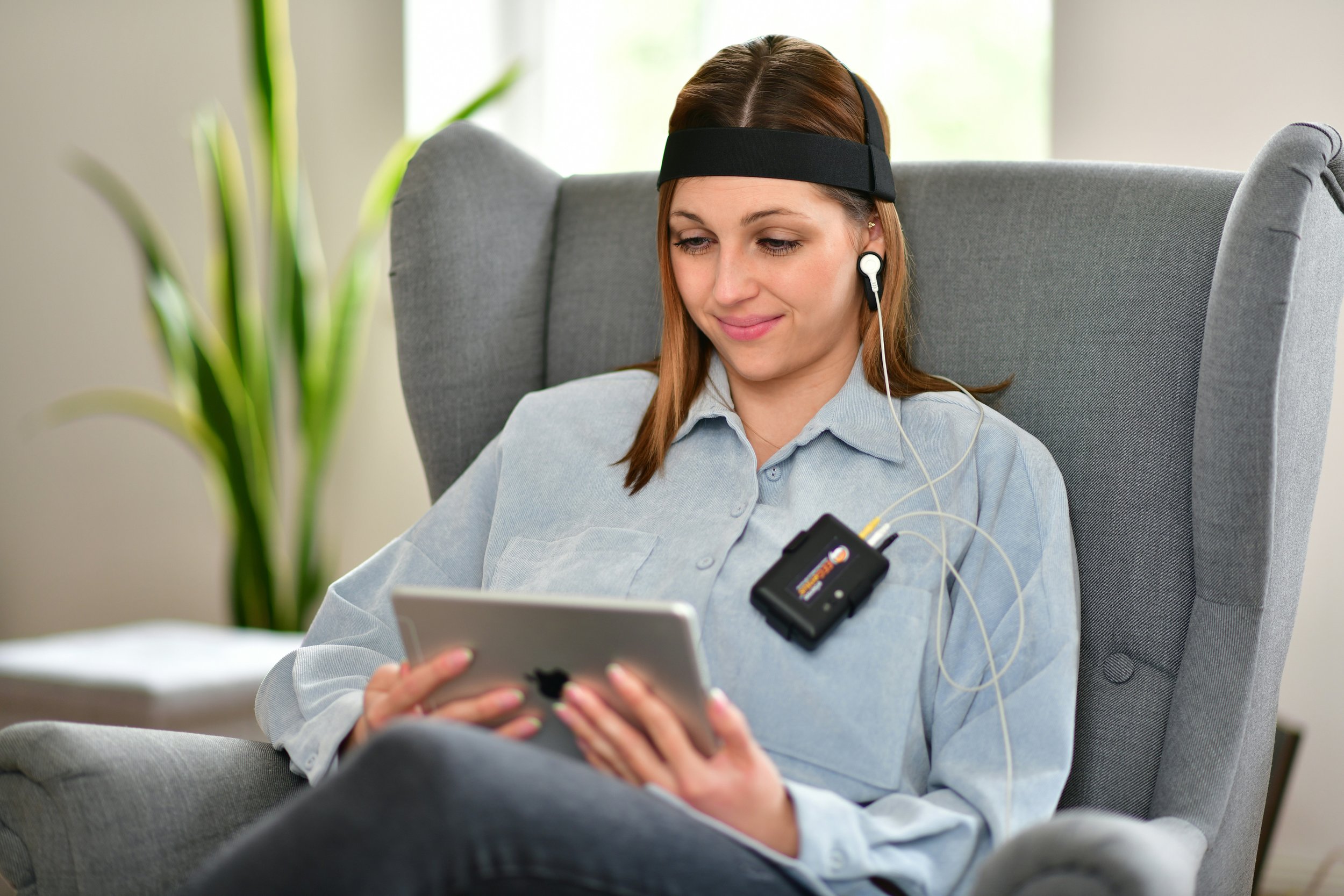
Neurofeedback, also known as EEG biofeedback, is a non-invasive therapeutic intervention that uses real-time monitoring of brain activity to teach self-regulation of brain function. This process can potentially improve various cognitive and emotional states. This technique has garnered attention for its potential applications in cognitive support, mental health treatment, and specific conditions like ADHD. However, its efficacy remains a topic of ongoing research and debate.
Understanding EEG and Brain Waves
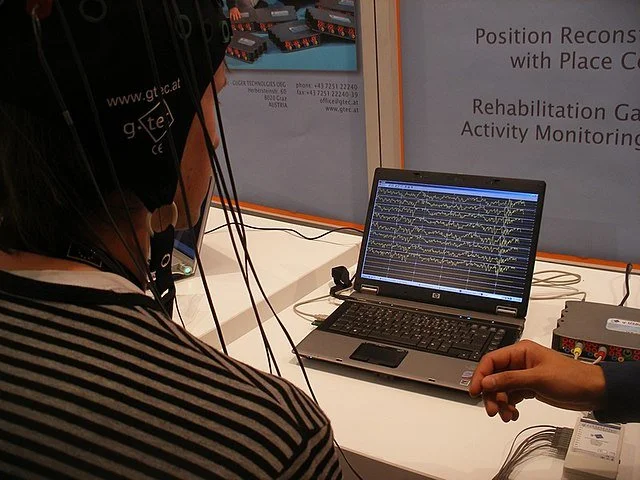
Electroencephalography (EEG): EEG is a method used to record electrical activity in the brain. By placing small electrodes on the scalp, EEG captures the brain's electrical signals, which are generated by the firing of neurons. These signals are then translated into brain wave patterns that can be analyzed.
Brain Waves: Brain waves are rhythmic patterns of electrical activity in the brain. They are categorized based on their frequency:
Delta Waves (0.5-4 Hz): Associated with deep sleep and restorative processes.
Theta Waves (4-8 Hz): Linked to creativity, intuition, and daydreaming. In excess, they are often associated with inattention.
Alpha Waves (8-12 Hz): Present during relaxed, meditative states.
Beta Waves (12-30 Hz): Related to active thinking, focus, and problem-solving.
Gamma Waves (30-100 Hz): Involved in high-level information processing and cognitive functioning.
How Neurofeedback Works
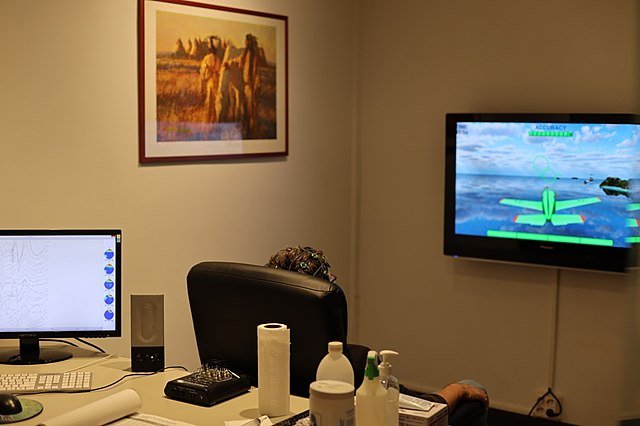
Neurofeedback involves several steps to ensure it effectively addresses the individual's specific needs:
Initial Assessment: A comprehensive clinical interview and a baseline EEG recording to understand the individual's brain activity and symptoms.
Protocol Development: A personalized treatment plan is created, targeting specific brain wave frequencies to address the individual's needs.
Neurofeedback Sessions:
Preparation: Electrodes are placed on the scalp to monitor brain activity.
Real-Time Feedback: The individual receives visual or auditory feedback, such as playing a video game or watching a movie that responds to their brain activity. For example, if the brain produces the desired waves, the movie continues to play; if not, it pauses. Sessions typically last 30-60 minutes and are held 1-3 times per week.
Monitoring and Adjusting: The clinician regularly reviews progress and adjusts the protocol as needed to ensure effectiveness.
Duration and Completion: Treatment usually involves 20-40 sessions, but the number can vary. Follow-up sessions may be recommended to maintain the benefits.
Neurofeedback aims to help individuals learn to self-regulate their brain activity, leading to lasting improvements in symptoms and overall brain function.
Supported Uses of Neurofeedback
ADHD (Attention-Deficit/Hyperactivity Disorder)
Research Support: Neurofeedback has been extensively studied as a treatment for ADHD. Recent meta-analyses and systematic reviews indicate that neurofeedback can lead to significant improvements in attention, impulse control, and hyperactivity. These effects are comparable to those of stimulant medications like methylphenidate, especially when assessed by parents and teachers (SpringerLink) (SpringerLink).
Mechanism: The intervention typically involves training individuals to increase beta waves and decrease theta waves, a pattern associated with improved attention and reduced hyperactivity.
Anxiety and Stress Reduction
Research Support: Neurofeedback has shown promise in reducing anxiety and stress. Studies indicate that it can help individuals learn to regulate their brain activity, promoting a state of relaxation and reducing symptoms of anxiety. Clinical trials have demonstrated reductions in generalized anxiety disorder (GAD) symptoms following neurofeedback training (SpringerLink).
Mechanism: By training individuals to increase alpha waves or other brain wave patterns associated with calm and relaxation, neurofeedback helps in managing anxiety.
Cognitive Enhancement
Research Support: Some research supports the use of neurofeedback for cognitive enhancement in healthy individuals and those with cognitive impairments. For instance, neurofeedback training has been associated with improvements in working memory, attention, and executive function (SpringerLink).
Mechanism: By optimizing specific brain wave patterns, neurofeedback may enhance neuroplasticity and cognitive function.
Unsupported or Controversial Uses
Depression
Research Limitation: While some studies suggest neurofeedback might help in managing depression, the evidence is not conclusive. Systematic reviews and meta-analyses have highlighted the need for more rigorous, larger-scale studies to establish its efficacy (SpringerLink) (SpringerLink).
Current Consensus: Neurofeedback for depression remains an experimental treatment, with inconsistent findings across studies.
Autism Spectrum Disorder (ASD)
Research Limitation: Neurofeedback has been explored as a treatment for ASD, aiming to improve social behaviors and cognitive function. However, the results are mixed, and many studies suffer from methodological weaknesses such as small sample sizes and lack of control groups (SpringerLink) (SpringerLink).
Current Consensus: While some anecdotal reports and preliminary studies are promising, more robust evidence is needed to support the use of neurofeedback for ASD.
Post-Traumatic Stress Disorder (PTSD)
Research Limitation: There is some evidence that neurofeedback can help individuals with PTSD by promoting self-regulation of brain activity. However, studies are still in early stages, and findings are not yet robust enough to recommend it as a standard treatment (SpringerLink) (SpringerLink).
Current Consensus: Neurofeedback for PTSD should be considered experimental until more high-quality research is available.
Conclusion
Neurofeedback holds promise for various applications, particularly in treating ADHD and anxiety, and potentially in cognitive enhancement. However, its efficacy for other conditions like depression, ASD, and PTSD remains uncertain due to limited and inconsistent research findings. Continued research, including larger, well-controlled studies, is necessary to fully understand the potential and limitations of neurofeedback in clinical practice. As with any therapeutic intervention, it is crucial to rely on evidence-based practices and to approach new treatments with a critical eye, ensuring they meet rigorous standards of efficacy and safety (SpringerLink) (SpringerLink).

Does Everyone Get Dementia When They Are Old?
Aging is a natural process that brings about changes in our bodies and minds. However, there is a common misconception that everyone will inevitably develop dementia as they grow older. In this blog post, we will clarify what dementia is, explain that it is not a normal part of aging, and provide tips for recognizing when someone might be experiencing more than just age-related changes.
Understanding Normal Aging

As we age, certain changes in cognitive function are to be expected due to a variety of neurological and physical factors. Normal aging might include:
Slower processing speed: This occurs because the brain's communication pathways can become less efficient over time. Myelin, the protective sheath around nerve fibers, may degrade, slowing down the speed of signal transmission.
Reduced multitasking ability: The prefrontal cortex, which is responsible for complex cognitive behavior and decision making, can show reduced volume and connectivity, making it harder to juggle multiple tasks at once.
Mild forgetfulness: The hippocampus, critical for forming new memories, often shrinks with age. This can result in occasional lapses in memory, such as misplacing items or forgetting appointments but being able to recall them later.
These changes are typically mild and do not significantly impact daily life. They are part of the normal aging process and should not be confused with more serious cognitive impairments.
What is Dementia?
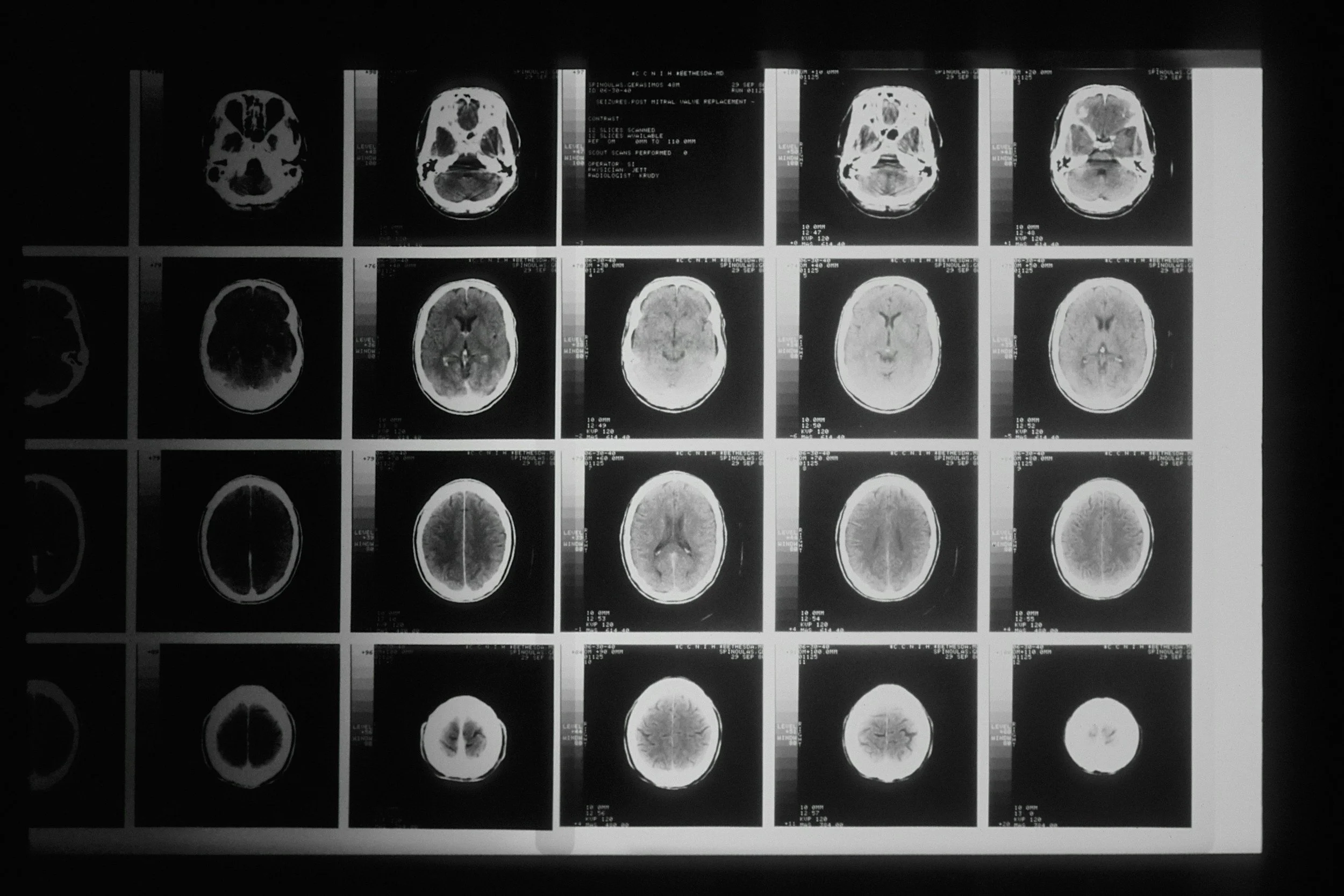
Dementia is an umbrella term for a range of conditions characterized by a significant decline in cognitive function that interferes with daily life. It is not a single disease but rather a syndrome caused by various diseases or injuries that affect the brain. Importantly, to be diagnosed with dementia, there must be a noticeable decline in at least two cognitive functions (such as memory and reasoning) that are severe enough to interfere with daily activities and independent living.
The most common types of dementia include:
Alzheimer's disease: The most common form, accounting for 60-80% of cases.
Vascular dementia: Often resulting from strokes or other issues affecting blood flow to the brain.
Limbic-Predominant Age-Related TDP-43 Encephalopathy (LATE): A recently identified form of dementia affecting older adults, often co-occurring with Alzheimer's disease.
Lewy body dementia: Associated with abnormal protein deposits called Lewy bodies in the brain.
Dementia is Not a Normal Part of Aging
It is crucial to understand that while dementia is more common in older adults, it is not a normal or inevitable part of aging. Most older adults do not develop dementia. Risk factors for dementia include genetics, lifestyle, and other health conditions, but age alone is not a determining factor. Many older adults experience some cognitive changes without these affecting their ability to function independently, which distinguishes normal aging from dementia.
Recognizing Signs of Dementia
Distinguishing between normal aging and dementia can be challenging. Here are some signs that might indicate a need for further evaluation:
Memory Loss: Forgetting recent events or information and not being able to recall them later, affecting daily life.
Difficulty Performing Familiar Tasks: Struggling with tasks that used to be easy, such as managing finances or following a recipe.
Language Problems: Problems with finding the right words or following conversations.
Disorientation: Getting lost in familiar places or not knowing the date or time.
Poor Judgment: Making poor decisions, such as giving away large sums of money to strangers.
Misplacing Things: Putting items in unusual places and being unable to retrace steps to find them.
Changes in Mood and Personality: Experiencing rapid mood swings, confusion, or suspicion without reason.
Withdrawal: Losing interest in social activities, hobbies, or other engagements.
These signs go beyond the normal cognitive changes associated with aging and significantly impair daily functioning.
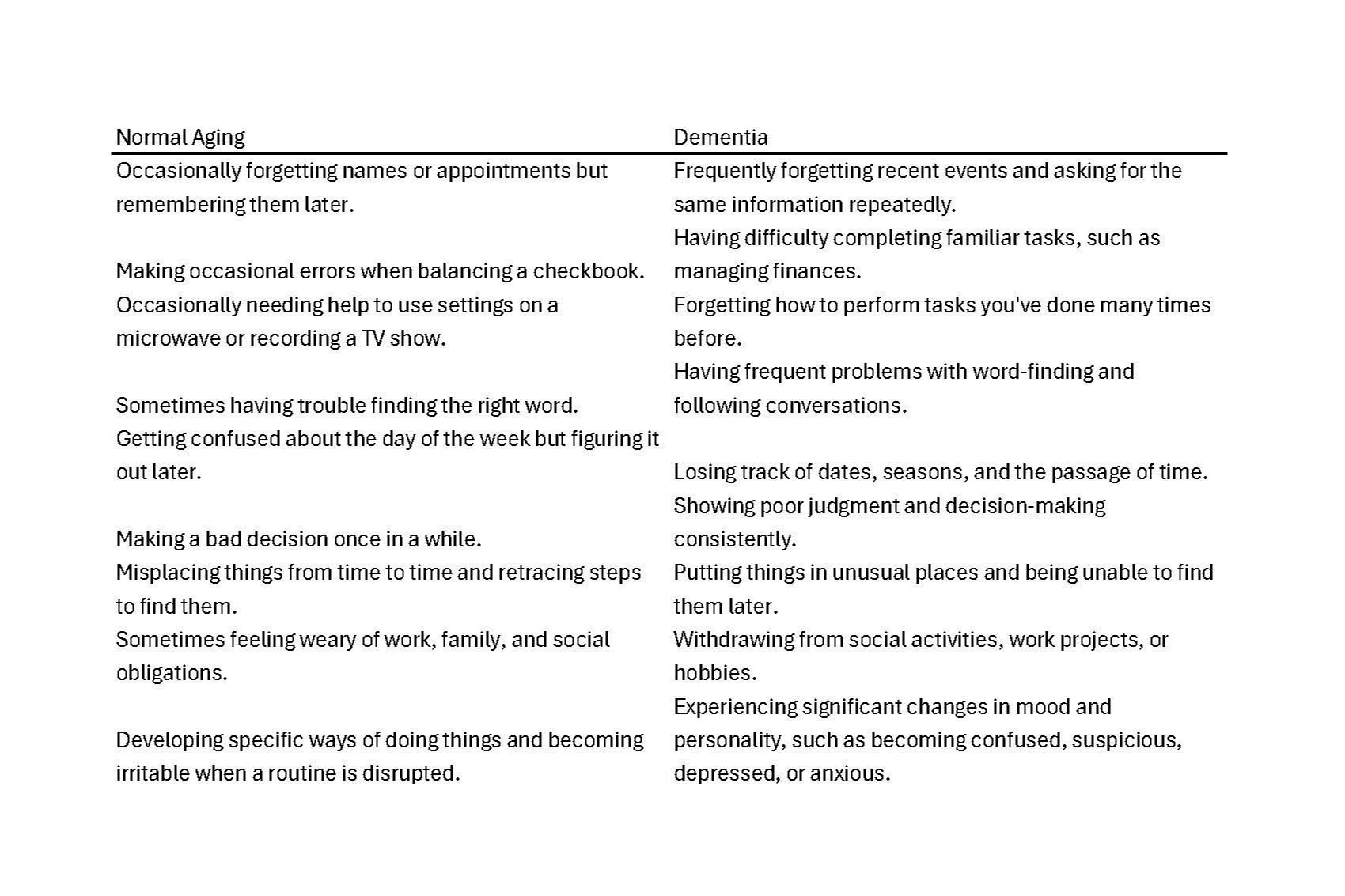
Normal Aging vs. Dementia: Examples
Here are some examples that can help distinguish between normal aging and dementia:
What To Do If You Notice Signs of Dementia
If you or a loved one is exhibiting signs of dementia, it is important to seek a professional evaluation. Early diagnosis and intervention can help manage symptoms and improve quality of life. Here are steps to take:
Consult a Doctor: Start with a primary care physician who can perform initial screenings and refer you to a specialist if necessary.
Schedule a Neuropsychological Assessment with Insight: At Insight, our comprehensive neuropsychological assessments can evaluate cognitive function across different domains and help determine if the changes are due to normal aging or something more serious. These assessments involve detailed testing and provide a thorough understanding of cognitive health.
Follow Professional Recommendations: Based on the assessment results, follow the recommendations provided by healthcare professionals. This may include lifestyle changes, medication, or other interventions to manage symptoms and support cognitive health.
Engage in Brain-Healthy Activities: Activities such as regular physical exercise, mental stimulation, and social engagement can help maintain cognitive function and overall well-being.
Monitor and Manage Health Conditions: Conditions like hypertension, diabetes, and heart disease can impact cognitive health. Regularly monitor and manage these conditions with the help of healthcare providers.
Conclusion
While aging brings about changes in cognitive abilities, it is important to recognize that dementia is not an inevitable part of getting older. Understanding the differences between normal aging and dementia can help in taking the right steps to ensure proper care and support for those who may need it. If you have concerns about cognitive changes in yourself or a loved one, do not hesitate to seek professional advice and intervention. Schedule a neuropsychological assessment with Insight to get a clear picture of cognitive health and the best path forward

Do Pomegranates Prevent Alzheimer's Disease?
Exploring the Potential of Urolithin A and Understanding the Research

Alzheimer's disease (AD) is a progressive neurological disorder that leads to memory loss, cognitive decline, and behavioral changes. It affects millions worldwide and poses a significant challenge for healthcare systems. Recent research has focused on finding new treatments to slow or prevent the progression of AD. One exciting development involves Urolithin A (UA), a compound derived from pomegranates. But how promising are these findings, and what should we be cautious about?
What is Urolithin A?
UA is a metabolite produced by gut bacteria from ellagic acid, which is found in pomegranates, berries, and nuts. It has gained attention for its potential health benefits, particularly in aging and neurodegenerative diseases like AD. Researchers have discovered that UA can stimulate a process called mitophagy, which helps clear damaged mitochondria from cells, thereby maintaining cellular health.
The Study: Key Findings

A recent study investigated the effects of long-term UA treatment on three different mouse models of AD. The researchers found that UA significantly improved learning, memory, and olfactory functions in these mice. Additionally, UA treatment reduced amyloid beta (Aβ) plaques and tau protein tangles—two hallmark features of AD pathology. The study also showed that UA enhances lysosomal function, particularly by regulating cathepsin Z, a protein crucial for breaking down cellular waste.
Significance of the Findings
These results are promising because they suggest that UA could potentially address some of the underlying mechanisms of AD. By improving mitophagy and lysosomal functions, UA might help reduce the accumulation of toxic proteins in the brain, thereby slowing the progression of AD. The study highlights the potential of UA as a therapeutic intervention, emphasizing its ability to cross the blood-brain barrier and exert protective effects on brain cells.
The Importance of Caution in Interpreting Mice Studies
While the findings are encouraging, it's crucial to exercise caution when interpreting results from mice studies. Although mice are valuable for initial research due to their genetic and biological similarities to humans, their responses to treatments can differ significantly. Numerous examples in scientific research highlight cases where promising results in mice did not translate to humans.
For instance:
Amyotrophic Lateral Sclerosis (ALS) Research: The SOD1 mouse model showed significant improvement with certain treatments, but these results did not replicate in human clinical trials(Alzheimer s Dementia …).
Stroke Treatments: Neuroprotective agents that worked well in mouse models failed to show benefits in human trials, emphasizing the complexity of human brain pathology(Alzheimer s Dementia …).
Cancer Studies: Various anti-cancer compounds demonstrated efficacy in mice but did not produce the same results in humans due to differences in tumor biology and metabolism(Alzheimer s Dementia …).
These examples underscore the necessity for thorough clinical testing in humans before any definitive conclusions can be drawn about a treatment's efficacy.
Cautions and Considerations
Animal Models vs. Human Application: The study was conducted on mice, which are valuable for initial research but do not perfectly mimic human physiology. Results in animal models do not always translate directly to humans.
Sample Size and Diversity: The study used specific genetically modified mice. Greater sample diversity and larger studies are necessary to confirm these findings.
Mechanistic Insights: Although the study suggests mechanisms through which UA may work, more detailed research is needed to fully understand these processes.
Long-term Effects: The study evaluated long-term treatment in mice, but what constitutes long-term in mice may not equate to the same duration in humans. Extended studies are required to assess the sustained impact of UA.
Safety and Side Effects: The long-term safety of UA, including any potential side effects, needs thorough investigation. Preliminary studies have shown that UA is well-tolerated, but comprehensive toxicology studies in humans are essential.
Behavioral Test Limitations: Behavioral tests in mice, like the Morris water maze and Y maze, are standard but have limitations. They may not capture all aspects of cognitive functions relevant to human AD patients.
Conclusion
The study on Urolithin A offers exciting insights into potential new treatments for Alzheimer's disease. UA's ability to improve cognitive functions and reduce AD pathology in mice highlights its therapeutic promise. However, it's important to approach these findings with cautious optimism. Extensive research, including clinical trials, is needed to determine UA's efficacy and safety in humans.
While pomegranates and their derivatives hold potential, they are not yet a confirmed preventive measure or treatment for Alzheimer's disease. Ongoing research will hopefully provide clearer answers and pave the way for new therapeutic strategies.

Speech Therapy - How it Can Help Older Adults
Introduction
Communication plays a crucial role in maintaining quality of life, especially for older adults and those with neurological conditions. Speech-Language Pathologists (SLPs) are key healthcare professionals who help these individuals improve their communication skills and overall cognitive function. This blog post explores the vital role of SLPs in enhancing the lives of older adults and those with neurological conditions.
What is a Speech-Language Pathologist (SLP)?

Definition:
A Speech-Language Pathologist is a licensed healthcare professional specializing in evaluating, diagnosing, and treating communication disorders, cognitive-communication disorders, and swallowing disorders.
Qualifications:
SLPs typically hold a master's degree in speech-language pathology, are certified by the American Speech-Language-Hearing Association (ASHA), and are licensed to practice in their state. They undergo extensive training in both clinical and research settings.
Scope of Practice
Areas of Expertise for Older Adults and Neurological Conditions:
Speech Disorders:
Issues with articulation, fluency, and voice resulting from neurological damage.Language Disorders:
Problems with understanding and producing language, such as aphasia, which often occurs after a stroke or brain injury.Cognitive-Communication Disorders:
Difficulties with memory, attention, and problem-solving due to conditions like dementia or traumatic brain injury (TBI).Swallowing Disorders:
Problems with swallowing, known as dysphagia, which can occur in stroke survivors and those with progressive neurological diseases.
Conditions Treated by SLPs in Older Adults
Stroke:
Rehabilitation for speech and language deficits, cognitive-communication impairments, and swallowing disorders.Dementia:
Management of communication difficulties, cognitive-communication therapy to maintain function, and swallowing interventions.Traumatic Brain Injury (TBI):
Addressing speech and language deficits, cognitive-communication impairments, and behavioral communication issues.Parkinson’s Disease:
Voice therapy, speech clarity techniques, and swallowing safety.Other Neurodegenerative Diseases:
ALS, MS, and their impacts on communication and swallowing.
Benefits of Speech-Language Pathology for Older Adults
Improved Communication:
Enhancing the ability to express and understand language, vital for maintaining relationships and social participation.Cognitive Benefits:
Support for memory, problem-solving, and other cognitive functions, crucial for independence.Swallowing Safety:
Improving nutrition and hydration, reducing the risk of aspiration pneumonia and other complications.
Cognitive Training and Rehabilitation
Memory Enhancement Techniques:
Strategies to improve short-term and long-term memory functions.Attention and Concentration Exercises:
Tasks and activities designed to enhance focus and sustained attention.Executive Function Training:
Activities to improve planning, problem-solving, and organizational skills.Computer-Based Cognitive Training:
Utilization of software and apps designed for cognitive rehabilitation.Group Therapy Sessions:
Opportunities for social interaction while engaging in cognitive training activities.Home Exercise Programs:
Personalized cognitive training activities that can be performed at home to maintain and enhance cognitive functions.
Frequently Asked Questions
Q: Can speech therapy help with memory loss?
A: Yes, speech-language pathologists can provide cognitive-communication therapy that includes memory enhancement techniques to help individuals improve their short-term and long-term memory functions.
Q: Do speech-language pathologists take insurance?
A: Most speech-language pathologists accept insurance, but it is important to check with individual providers and your insurance company to understand the coverage details and any out-of-pocket costs.
Q: How long does speech therapy typically last?
A: The duration of speech therapy varies depending on the individual’s condition, the severity of their symptoms, and their progress. Some may require a few weeks of therapy, while others might need ongoing support for several months or longer.
Q: What should I expect during a speech therapy session?
A: During a speech therapy session, you can expect a combination of exercises and activities tailored to your specific needs. These may include practicing speech sounds, working on language comprehension and expression, memory exercises, and swallowing techniques.
Q: Is speech therapy beneficial for individuals with dementia?
A: Yes, speech therapy can be highly beneficial for individuals with dementia. It can help manage communication difficulties, provide cognitive-communication strategies to maintain function, and offer support for swallowing issues.
Q: Can speech therapy be done at home?
A: Yes, many speech-language pathologists offer home-based therapy sessions or telepractice options, which can be especially convenient for those with mobility issues or who prefer to receive therapy in the comfort of their own home.
Conclusion
Speech-Language Pathologists play a vital role in enhancing the lives of older adults and those with neurological conditions. By improving communication skills and cognitive functions, they help individuals maintain independence and a high quality of life. If you or a loved one could benefit from these services, consider reaching out to local resources.
Local Resources - Ventura County
Understanding White Matter Disease: What Your MRI Report Means
In this post, we explain some of the scary terminology that you may hear after getting a brain MRI including “white matter disease,” “small vessel ischemic disease,” and , “chronic microvascular disease.”
Imagine This:
You’ve been feeling a bit forgetful lately, struggling to recall names and dates that used to come easily to you. Concerned, you visit your doctor, who suggests an MRI of the brain to check things out. A week later, you sit in your doctor’s office as they explain the results: "Your MRI shows moderate subcortical microvascular ischemic disease." You nod, but inside, you’re worried. What does this mean? Is it serious? Should you be scared?
This scenario is common, and many patients leave with more questions than answers. Let's break down what these findings mean and why they don't necessarily spell doom.
What is White Matter Disease?
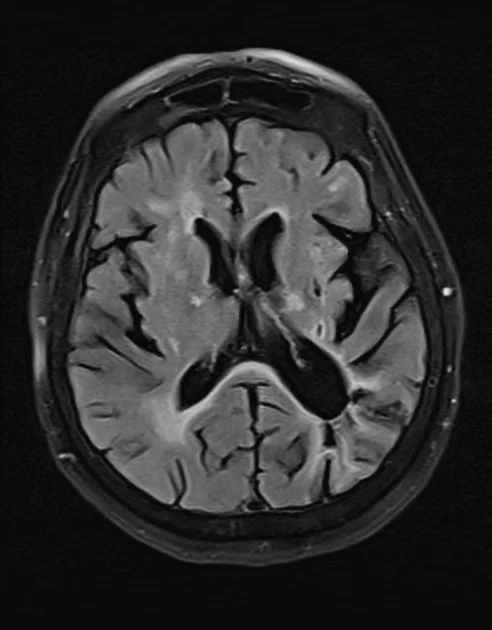
An MRI of the brain showing white matter hyperintensities.
White matter disease refers to changes in the brain's white matter, the part of the brain responsible for communication between different brain regions and between the brain and spinal cord. These changes are often detected through MRI scans and can appear as small, bright spots on the images. These spots indicate areas where the white matter has been damaged or has degenerated.
Causes and Risk Factors
White matter disease is primarily associated with aging but can also result from conditions that affect the small blood vessels in the brain, such as:
Hypertension: High blood pressure can damage the small blood vessels in the brain, leading to reduced blood flow and white matter changes.
Diabetes: Poorly controlled blood sugar levels can also contribute to these changes.
Smoking: Smoking increases the risk of vascular disease, which can affect brain health.
High Cholesterol: Elevated cholesterol levels can lead to the buildup of plaques in blood vessels, reducing blood flow to the brain.
Do You Bruise Easily?
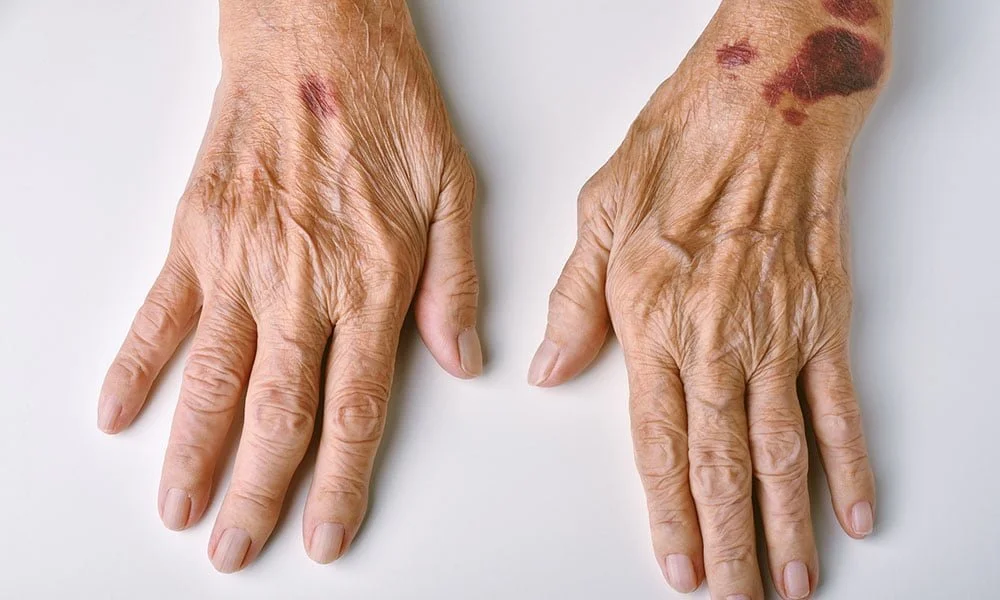
Think of it like this: as people get older, they often bruise more easily because their blood vessels become more fragile. This is similar to what happens in the brain. The small blood vessels supplying the brain can also weaken and become more prone to damage with age. Just as a minor bump might cause a noticeable bruise on the skin of an older person, minor issues in the blood vessels of the brain can show up as white matter changes on an MRI.
Is It Normal or Abnormal?
It's essential to understand that some degree of white matter change is a normal part of aging. Many older adults show these changes on MRI without any symptoms or with only mild cognitive impairments. However, extensive white matter disease can indicate a higher risk of more severe conditions, such as:
Lacunar Infarcts: Small strokes that occur in the deep parts of the brain due to the occlusion of small penetrating arteries.
Cognitive Decline: More extensive white matter changes have been linked to difficulties with executive functions, processing speed, and memory.
Will It Get Worse?
The progression of white matter disease can vary. For some individuals, these changes may remain stable for years without causing significant problems. For others, especially those with uncontrolled risk factors like hypertension or diabetes, the condition may worsen over time. Regular monitoring and managing these risk factors are crucial to slowing the progression.
Does It Mean I Will Get Dementia?
Not necessarily. While extensive white matter changes are associated with a higher risk of cognitive decline and dementia, many people with these changes do not develop dementia. The risk depends on several factors, including the extent of the changes, the presence of other conditions like Alzheimer's disease, and overall brain health. Early detection and management of risk factors play a significant role in maintaining cognitive function.
Symptoms and Clinical Significance
In many cases, white matter disease is asymptomatic and discovered incidentally during imaging for other reasons. When symptoms do occur, they can include:
Cognitive Impairment: Slower processing speed, memory problems, and difficulties with executive functions.
Gait Abnormalities: Difficulty walking or maintaining balance.
Mood Changes: Increased risk of depression and mood disorders.
Diagnosis and Monitoring
MRI is the most sensitive method for detecting white matter changes. Regular monitoring through follow-up imaging can help assess the progression of the disease and its impact on cognitive function. Additional assessments might include neuropsychological tests to evaluate cognitive abilities and identify any decline over time.
Management and Prevention
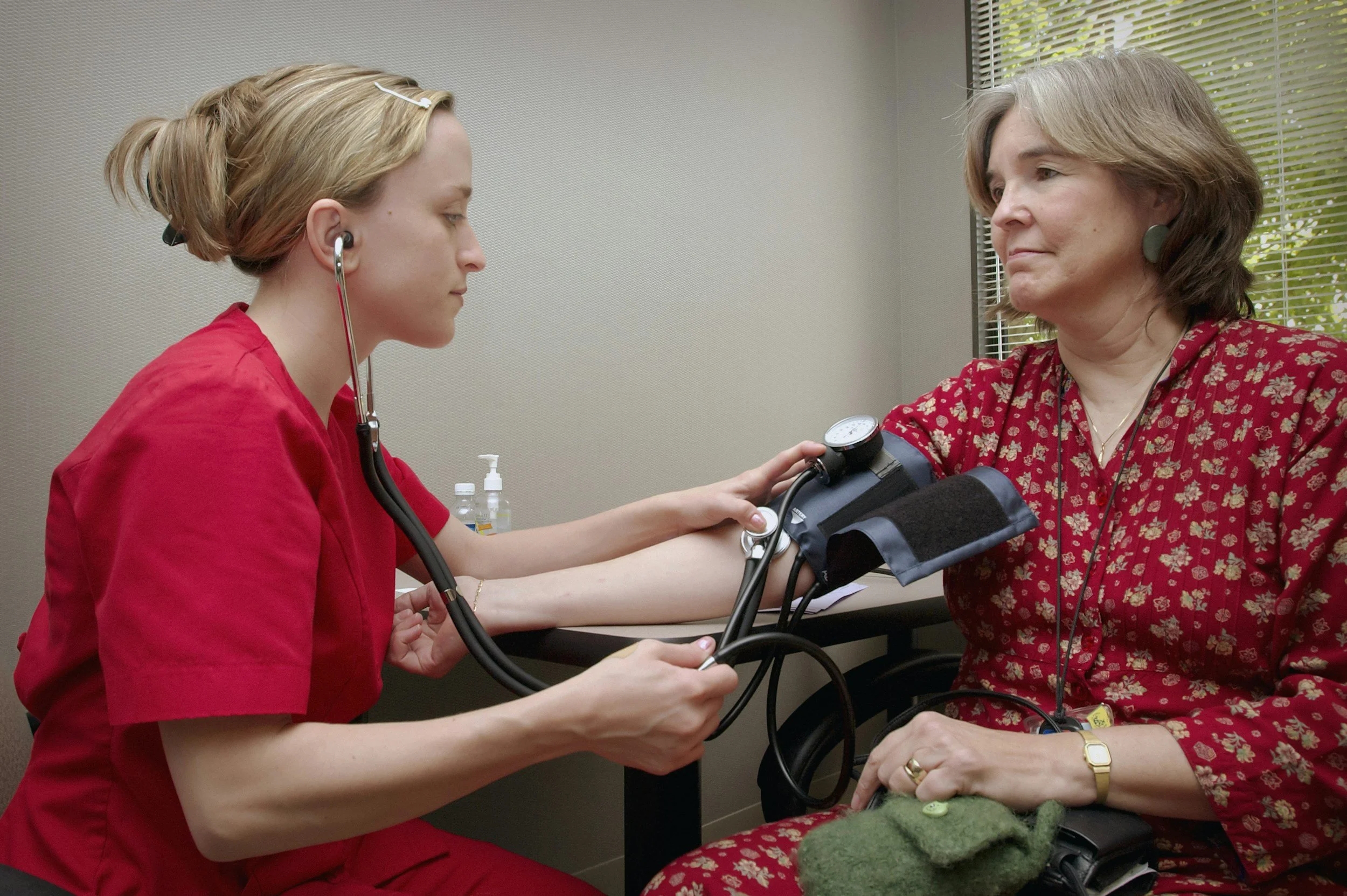
While there is no cure for white matter disease, managing risk factors can slow its progression and reduce the risk of associated complications:
Blood Pressure Control: Keeping blood pressure within a normal range can prevent further damage.
Blood Sugar Management: Proper diabetes management is crucial.
Healthy Lifestyle: Quitting smoking, eating a balanced diet, and regular exercise can improve overall vascular health.
Medication: In some cases, doctors might prescribe medications to manage symptoms or control risk factors, such as antihypertensives or statins.
Conclusion
White matter disease, as seen on MRI, can be a common finding, especially in older adults. While it may be part of the normal aging process, extensive changes can signal more significant health concerns. Understanding these findings can help alleviate fears and emphasize the importance of managing risk factors to maintain brain health.
If you have questions or concerns about your MRI results, discussing them with your healthcare provider can provide clarity and guide appropriate next steps.
Is Your Snoring Causing Memory Loss? Understanding Sleep Apnea and Its Cognitive Impact
Should you be concerned about your snoring? Possibly! It could be sleep apnea, which when left unaddressed, can lead to negative health outcomes including memory issues. In this post, we break down what sleep apnea is, the problems it can cause, and different methods of treating it.

Introduction
Have you ever wondered if your snoring is more than just an annoyance? Sure, your sleep-deprived partner may have nagged you about getting it checked out, but there are also real medical concerns that could be at play. Sleep apnea, a common yet serious sleep disorder, might be the culprit behind your daytime fatigue and cognitive difficulties. In this blog post, we'll explore what sleep apnea is, debunk some common myths, examine its impact on cognition, and discuss various treatment options.
What is Sleep Apnea?
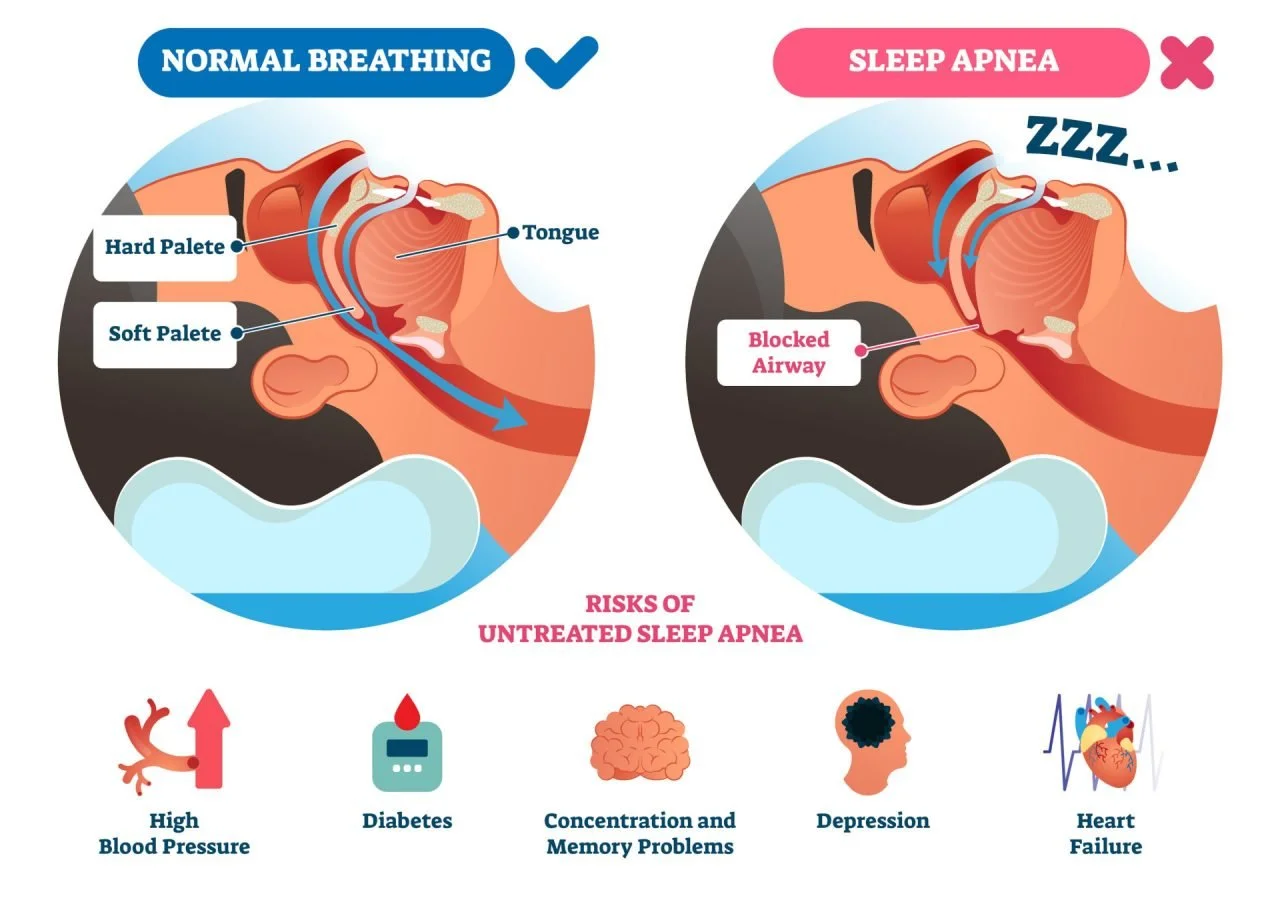
Sleep apnea is a disorder characterized by repeated interruptions in breathing during sleep. These interruptions, or apneas, can occur dozens or even hundreds of times per night, leading to poor sleep quality and various health issues. There are two main types of sleep apnea:
Obstructive Sleep Apnea (OSA): The more common form, caused by a blockage of the airway, usually when the soft tissue at the back of the throat collapses during sleep.
Central Sleep Apnea (CSA): Occurs when the brain fails to signal the muscles to breathe due to instability in the respiratory control center.
Common Misconceptions about Sleep Apnea
Myth 1: Snoring is harmless: While snoring itself can be benign, it can also be a sign of sleep apnea, which is not harmless. Snoring combined with choking or gasping sounds may indicate a serious problem.
Myth 2: Only older, overweight individuals get sleep apnea: Sleep apnea can affect people of all ages and body types, including children and individuals of normal weight.
Myth 3: Sleep apnea is just about sleep: The disorder has far-reaching effects beyond just poor sleep. It increases the risk of cardiovascular diseases, diabetes, and cognitive decline.
How Sleep Apnea Impacts Cognition
The repeated awakenings and reduced oxygen supply caused by sleep apnea lead to fragmented sleep and decreased blood flow to the brain. This can result in:
Memory Loss: Difficulty in forming new memories and recalling information.
Reduced Attention and Concentration: Trouble focusing on tasks and maintaining attention.
Impaired Executive Function: Challenges in planning, decision-making, and problem-solving.
One critical process affected by sleep apnea is memory consolidation. Memory consolidation occurs during sleep, particularly during deep sleep (slow-wave sleep) and REM sleep, when the brain processes and stores information gathered throughout the day. Sleep apnea disrupts these stages of sleep, leading to:
Interrupted Memory Consolidation: The constant waking prevents the brain from effectively transferring information from short-term to long-term memory.
Impaired Learning and Recall: The disruption of sleep cycles hinders the brain's ability to solidify learning and make new memories accessible when needed.
Research has shown a strong link between sleep apnea and cognitive impairments. For example, studies indicate that untreated sleep apnea can increase the risk of developing dementia.
Treatment Options for Sleep Apnea
Effective treatment of sleep apnea can improve sleep quality and mitigate cognitive impairments. Here are some common treatment approaches:
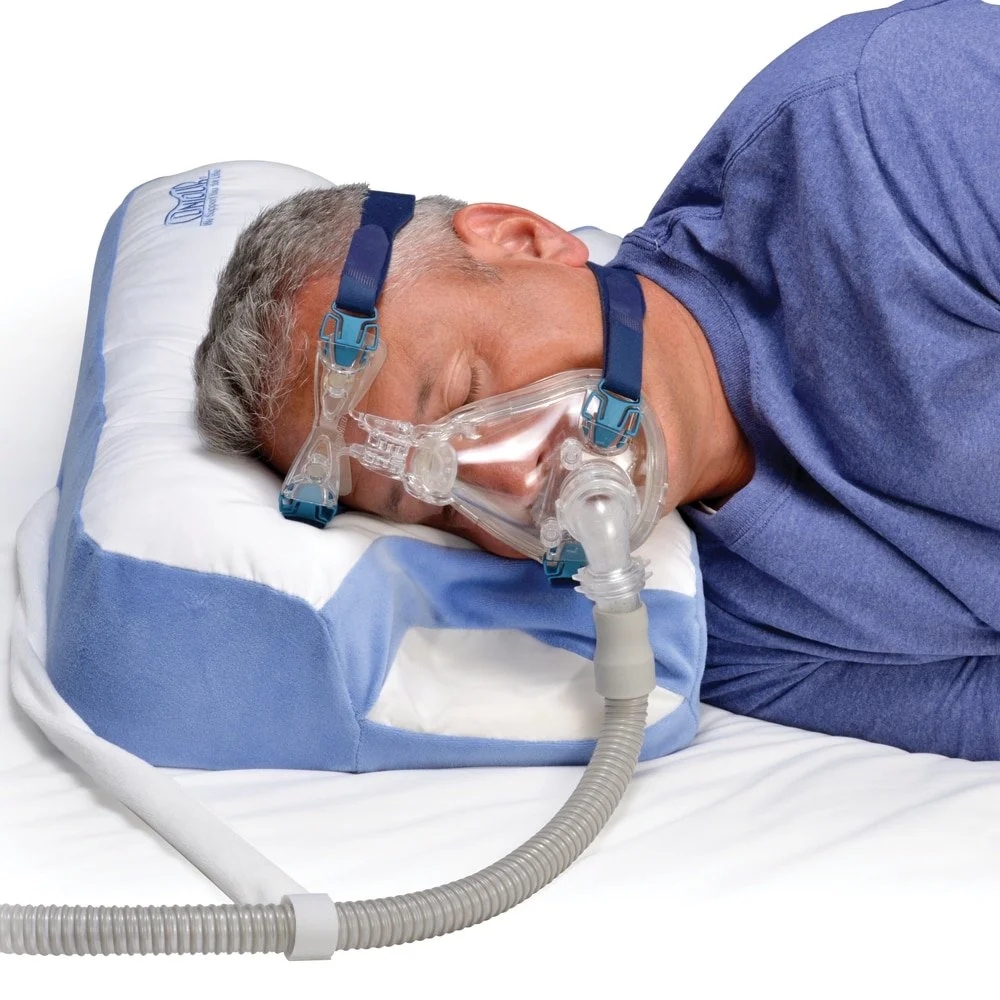
Continuous Positive Airway Pressure (CPAP) machine.
Continuous Positive Airway Pressure (CPAP): Delivers a constant stream of air through a mask to keep the airway open during sleep.
Bi-level Positive Airway Pressure (BiPAP): Provides two levels of pressure—higher when you inhale and lower when you exhale.
Oral Appliances:
Mandibular Advancement Devices (MADs): Fit over the upper and lower teeth and advance the lower jaw slightly forward.
Tongue Retaining Devices (TRDs): Hold the tongue in a forward position to prevent it from obstructing the airway.
Surgical Options:
Uvulopalatopharyngoplasty (UPPP): Removes tissue from the throat to widen the airway.
Genioglossus Advancement (GA): Repositions the muscle that attaches the tongue to the lower jaw.
Maxillomandibular Advancement (MMA): Moves the upper and lower jaw forward to enlarge the airway.
Radiofrequency Ablation (RFA): Uses energy to shrink tissues in the airway.
Inspire Therapy: A surgically implanted device that stimulates airway muscles.
Positional Therapy: Uses devices to prevent sleeping on the back.
Lifestyle Changes:
Weight Loss: Can significantly improve or resolve sleep apnea.
Smoking Cessation: Reduces inflammation and fluid retention in the airway.
Alcohol Reduction: Helps keep the airway open.
Emerging and Alternative Treatments:
Expiratory Positive Airway Pressure (EPAP): Single-use devices placed over the nostrils.
Myofunctional Therapy: Exercises to strengthen the muscles around the airway.
Hypoglossal Nerve Stimulation: Electrical stimulation of the nerve controlling tongue movement.
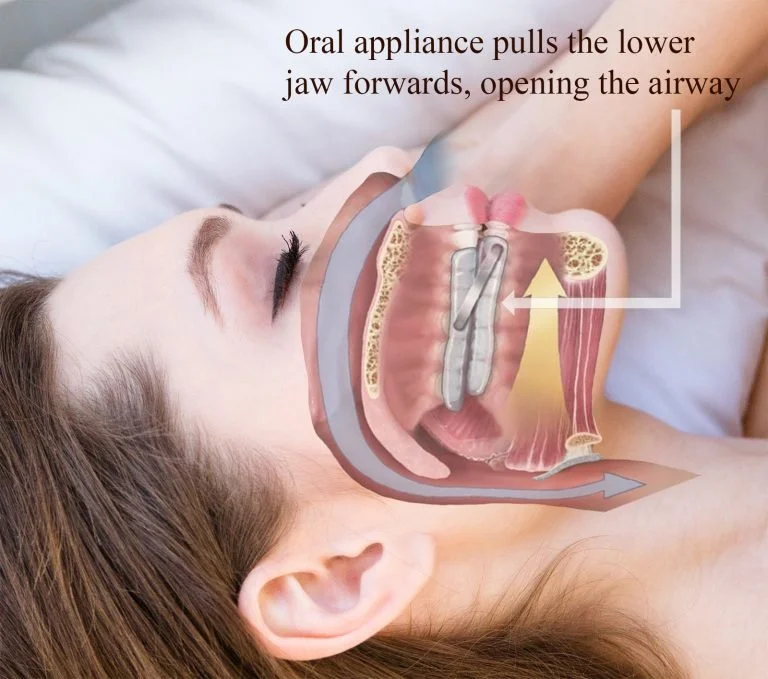
One type of oral appliance for sleep apnea
FAQs
Which treatments are most effective for sleep apnea? CPAP is generally considered the most effective treatment for moderate to severe obstructive sleep apnea. However, BiPAP, oral appliances like MADs and TRDs, and surgical options can also be effective depending on the severity of the condition and patient preferences.
What can I do if CPAP is hard to tolerate? If CPAP is difficult to tolerate, you can try adjusting the mask fit, using a humidifier, or trying a different type of mask. Additionally, you might consider alternative treatments such as BiPAP, oral appliances, or positional therapy. Consulting with a sleep specialist can help you find the most comfortable and effective solution.
Is the memory loss from sleep apnea permanent? Memory loss from sleep apnea is often reversible with effective treatment. Once the sleep apnea is managed and normal sleep patterns are restored, many individuals experience improvements in memory and cognitive function. However, prolonged untreated sleep apnea can lead to more lasting cognitive deficits.
How is sleep apnea diagnosed? Sleep apnea is typically diagnosed through a sleep study, also known as polysomnography. This can be done in a sleep lab or at home with a portable monitoring device. The study records various body functions during sleep, such as brain activity, eye movements, heart rate, breathing patterns, oxygen levels, and muscle activity.
What are the long-term health risks associated with untreated sleep apnea? Untreated sleep apnea can lead to a range of serious health issues, including high blood pressure, heart disease, stroke, diabetes, and an increased risk of accidents due to daytime sleepiness. It can also contribute to mental health problems such as depression and anxiety.
Is sleep apnea hereditary? There is evidence to suggest that sleep apnea can run in families, indicating a genetic component. Factors such as inherited physical traits (e.g., a narrow airway) and family history of sleep disorders can increase the risk.
Can sleep apnea be cured? While there is no outright cure for sleep apnea, many effective treatments can significantly reduce symptoms and improve quality of life. In some cases, weight loss or surgical interventions can lead to a resolution of symptoms.
Can sleep apnea affect mental health? Yes, sleep apnea can negatively impact mental health. Chronic sleep deprivation and oxygen deprivation can contribute to mood disorders, such as depression and anxiety. Effective treatment of sleep apnea often leads to improvements in mental well-being.
Conclusion
Snoring might seem like a minor inconvenience, but it could be a sign of sleep apnea, a disorder with serious cognitive implications. If you or a loved one experiences symptoms of sleep apnea, it's crucial to seek medical evaluation and explore appropriate treatment options. Prioritizing your sleep health can lead to significant improvements in your overall well-being and cognitive function. Plus, your partner will thank you for the quiet nights!
Call to Action
If you think that you or a loved one is suffering from memory loss due to sleep apnea, reach out to us about an assessment!
Understanding LATE: A New Diagnosis in Dementia
In this post, we describe a recently discovered form of dementia in older adults that is often mistake for Alzheimer’s disease. It’s called Limbic-Predominant Age-Related TDP-43 Encephalopathy or LATE for short.
Introduction
Did you know that not all dementia cases in the elderly are due to Alzheimer's disease? Recent research has uncovered another culprit called LATE, which affects those over 80. Understanding LATE is crucial for distinguishing it from Alzheimer's and for ensuring appropriate care for those affected. This blog post aims to educate you about LATE, its symptoms, and how it differs from Alzheimer's disease.
What is LATE?
LATE is a form of dementia that primarily affects older adults, typically those over the age of 80. It is caused by the accumulation of a protein called TDP-43 in the brain. Unlike Alzheimer's, which is characterized by the buildup of amyloid plaques and tau tangles, LATE is defined by the presence of TDP-43 proteinopathies. These protein deposits predominantly affect the limbic system, a part of the brain crucial for memory and emotional regulation. Understanding the difference between LATE and Alzheimer's can significantly impact the approach to treatment and care, ensuring that individuals receive the most effective interventions (Frontiers) (Frontiers).
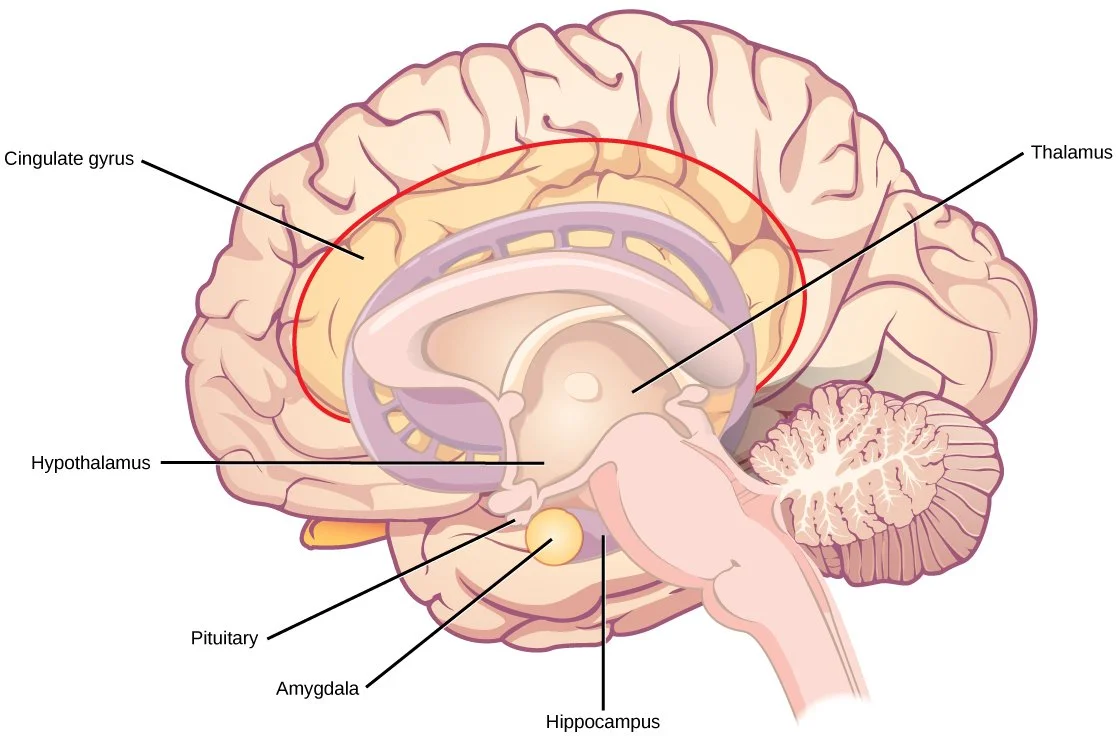
The structures of the limbic system.
Symptoms of LATE
The symptoms of LATE can closely resemble those of Alzheimer's disease, making it challenging to diagnose. Common symptoms include:
Memory Loss: Similar to Alzheimer's, individuals with LATE experience significant memory loss.
Cognitive Decline: This includes difficulties with thinking, reasoning, and understanding.
Behavioral Changes: Changes in mood and behavior, such as increased irritability or depression, are common.
Language Difficulties: Some individuals may have trouble finding the right words or understanding language.
For instance, a patient with LATE might recall recent events well but struggle with remembering names or appointments, whereas Alzheimer's patients often have broader memory lapses.
Distinguishing LATE from Alzheimer's
While the symptoms of LATE and Alzheimer's are similar, there are key differences:
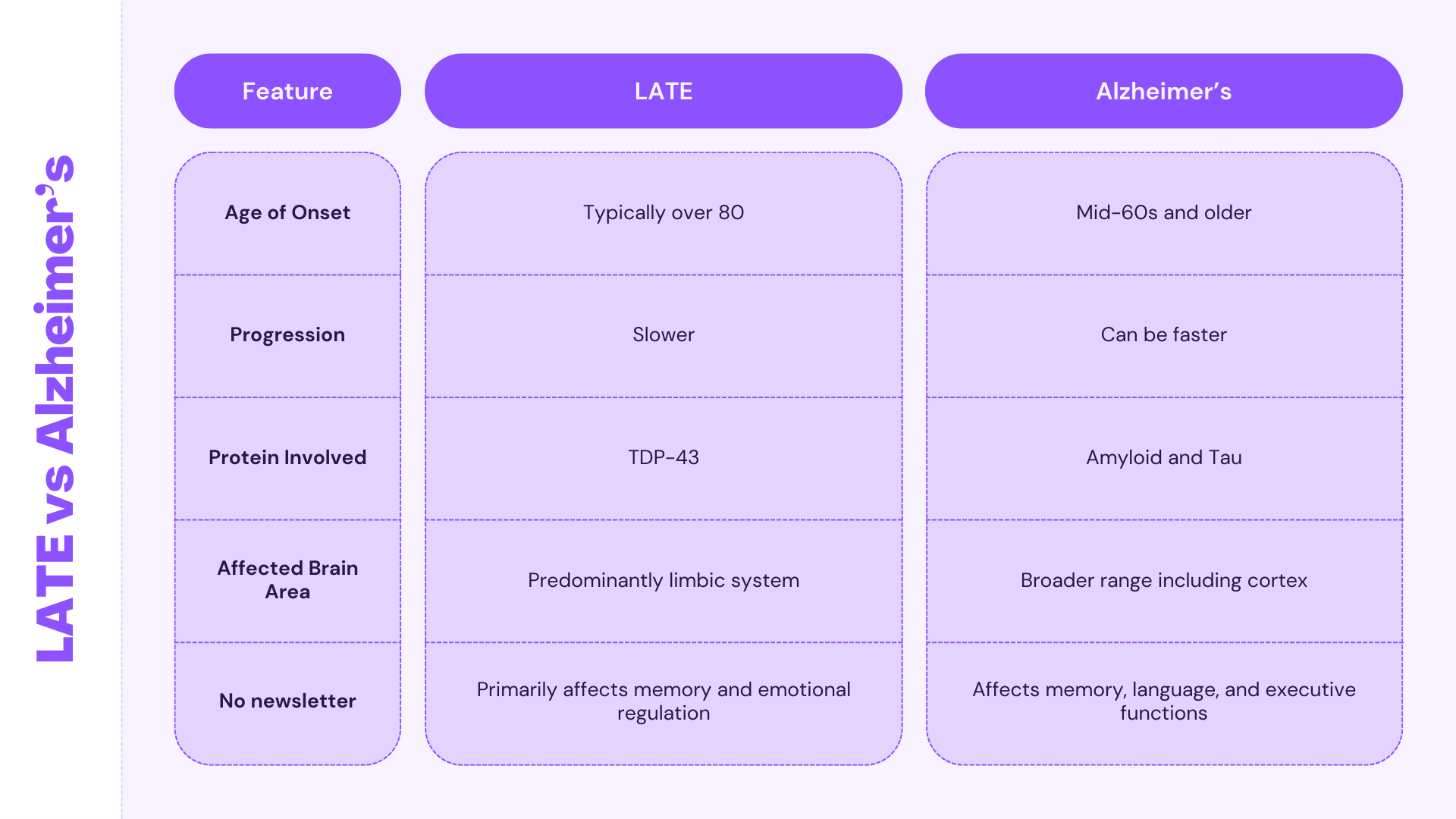
The Role of Neuropsychology in Diagnosis
Neuropsychology plays a crucial role in the diagnosis and management of LATE. Neuropsychologists are experts in understanding the relationship between brain function and behavior, making them uniquely qualified to differentiate between various forms of dementia, including LATE and Alzheimer's. Here’s how they contribute:
Comprehensive Cognitive Assessments: Neuropsychologists conduct detailed cognitive assessments to evaluate memory, language, executive function, and other cognitive abilities. These assessments help identify specific patterns of cognitive decline that may indicate LATE rather than Alzheimer's (Frontiers).
Use of Neuroimaging and Biomarkers: Neuropsychologists often work with neurologists to incorporate neuroimaging techniques, such as MRI and PET scans, which can reveal the presence and distribution of TDP-43 protein deposits. This imaging is crucial for distinguishing LATE from other types of dementia (Frontiers).
Developing Personalized Care Plans: Based on the cognitive and imaging assessments, neuropsychologists help develop personalized care plans that address the specific needs of individuals with LATE. This can include recommendations for cognitive therapies, lifestyle modifications, and support strategies for caregivers (Frontiers) (Frontiers).
Research and Education: Neuropsychologists are at the forefront of research into LATE, contributing to our understanding of its progression and potential interventions. They also play a key role in educating patients, families, and healthcare providers about LATE and its management (Frontiers).
Diagnosis of LATE
Diagnosing LATE can be challenging due to its similarities with Alzheimer's. Currently, diagnosis often involves a combination of clinical assessments, imaging techniques, and post-mortem brain examinations. Researchers are working on developing more precise diagnostic tools, including biomarkers that can be detected in living patients (Frontiers).
Treatment and Management
Currently, there is no cure for LATE. Treatment focuses on managing symptoms and improving the quality of life for patients. This includes:
Medications: While there are no specific medications for LATE, drugs used to treat symptoms of Alzheimer's, such as cholinesterase inhibitors and memantine, can sometimes help manage symptoms of cognitive decline and memory loss in LATE patients (Frontiers).
Therapies:
Cognitive Therapy: Engaging in cognitive training exercises can help maintain cognitive functions and slow the progression of cognitive decline. Techniques include memory exercises, problem-solving tasks, and activities that promote mental engagement (Frontiers).
Behavioral Interventions: Behavioral therapy can address mood and behavioral changes. This might include strategies to reduce agitation, improve mood, and enhance the patient's overall well-being (Frontiers) (Frontiers).
Occupational Therapy: Occupational therapy helps individuals maintain their independence by teaching strategies to manage daily activities and improve quality of life (Frontiers).
Lifestyle Modifications: Encouraging a healthy lifestyle can help manage LATE symptoms. This includes a balanced diet, regular physical exercise, mental stimulation, and social engagement. These factors can contribute to overall brain health and slow the progression of cognitive decline (Frontiers).
Support for Caregivers: Providing education and resources for caregivers is crucial, as they play a significant role in the care of individuals with LATE. Support groups, counseling, and respite care can help caregivers manage stress and maintain their own well-being (Frontiers) (Frontiers).
Coexistence with Alzheimer’s
It's important to note that LATE and Alzheimer's can exist independently or comorbidly. This means that an individual can have LATE, Alzheimer's, or both simultaneously. If you or a loved one is experiencing symptoms of cognitive decline, it is essential to seek a comprehensive evaluation from a healthcare professional. A thorough assessment can help determine the underlying causes and guide appropriate treatment.
If you are concerned about yourself or a loved one, please contact us to schedule an appointment. Our team of specialists is here to provide a thorough evaluation and personalized care plan to address your needs.
Conclusion
LATE is a newly identified form of dementia that shares many symptoms with Alzheimer's disease but has distinct differences, particularly in its underlying causes and progression. By increasing awareness and understanding of LATE, we can improve the care and support for those affected by this condition. If you suspect a loved one may be experiencing symptoms of dementia, it is important to consult with a healthcare provider for an accurate diagnosis and appropriate management.
For more detailed information, check out resources from the National Institute on Aging and Alzheimer's Association.
References
National Institute on Aging: LATE: A newly identified type of brain disorder
Alzheimer's Association: LATE
Frontiers in Psychology: Current Trends in Neuropsychology