

Five supplements worth discussing—and five that probably are not worth your money

Since the dawn of humanity, we have used plants and other natural substances to improve health and treat what ails us. In modern times, this often comes in the form of supplements.
You will sometimes hear that supplements are completely unregulated in the United States. That is not quite true. The Food and Drug Administration does regulate supplements, but it treats them more like foods than medications. Unlike prescription drugs, supplements generally do not need to be proven safe or effective before they are sold. Companies can also make broadly worded claims about "supporting" memory or brain health without demonstrating that their product prevents cognitive decline or treats a disease. The FDA often becomes involved only after a product is already on the market and a problem has been identified. (FDA overview)
Unfortunately, the supplement industry in the United States can be extremely predatory. In our neuropsychology practice, we primarily see people over the age of 60. It is common for patients to bring in large plastic bags full of supplements that they have purchased for us to review. Sometimes these supplements have cost them hundreds or even thousands of dollars!
I don’t blame anyone for wanting to protect their brain. Memory loss is scary, and people naturally want something concrete they can do about it. The problem is that advertisements, news stories, and social media posts often take a tiny or preliminary research finding and inflate it into evidence that a product can "boost memory" or "fight dementia."
So how do you know what is actually helpful?
Below are five supplements that may be worth discussing with your physician and five that are unlikely to be worth the cost or risk. Please keep in mind that we are neuropsychologists, not medical doctors. These perspectives are based on our review of the clinical literature, but decisions about supplements should be made with a physician who understands your health conditions, medications, and laboratory results.
First, some bad news
No over-the-counter supplement has convincingly been shown to prevent dementia in a well-nourished older adult.
The National Institute on Aging states that no vitamin or supplement is currently recommended for preventing Alzheimer's disease or cognitive decline. In 2026, the World Health Organization specifically recommended against using B vitamins, vitamin E, omega-3s, or multivitamin/mineral supplements for dementia prevention in people without a diagnosed deficiency. (NIA guidance; WHO guidelines)
That does not mean every supplement is useless. It means that the potential benefit usually depends on the person taking it. A supplement that corrects a genuine deficiency or treats a cardiovascular condition is very different from a pill marketed to every older adult as "brain protection."
With that qualification in mind, here are five options that may be worth discussing.
Five Supplements Worth Discussing
1. Vitamins when you are actually deficient
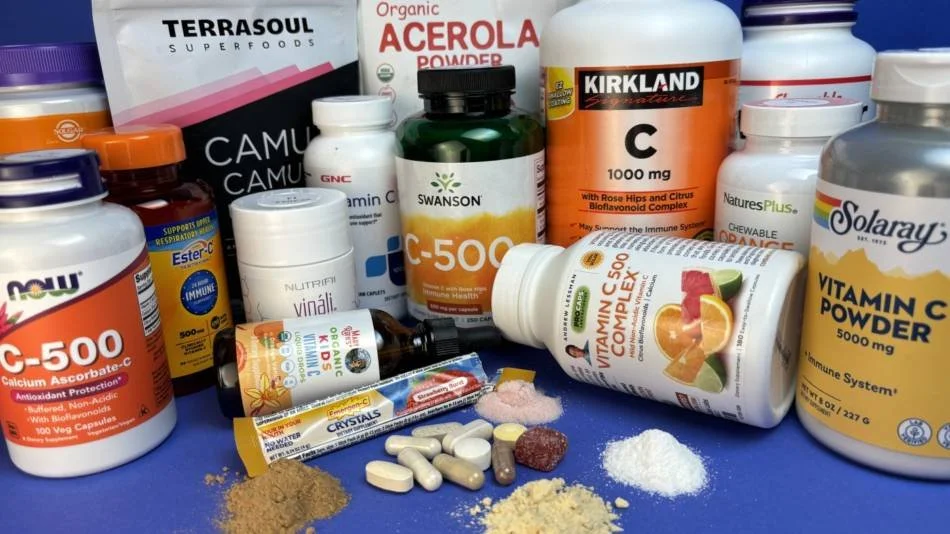
Vitamins are essential for healthy brain functioning. However, more is not automatically better.
Vitamin B12 deficiency can cause memory problems, slowed thinking, depression, neuropathy, balance difficulties, and other neurological symptoms. Older adults are at increased risk because the body may become less efficient at absorbing B12. Risk is also higher in people who take metformin or acid-reducing medications, follow a vegan diet, have undergone gastrointestinal surgery, or have pernicious anemia.
Thiamine deficiency can also cause serious cognitive and neurological problems, particularly in people with substantial alcohol use, poor nutrition, chronic vomiting, or certain gastrointestinal conditions.
If you are genuinely deficient, correcting that deficiency is important. In some cases, it may prevent further neurological damage. Recovery is less predictable when a deficiency has been severe or present for a long time, which is one reason early evaluation matters. (NIH vitamin B12 review; NIH thiamine review)
However, when vitamin levels are already adequate, supplementation does not reliably improve cognition. A large Cochrane review involving nearly 28,000 predominantly older participants found little or no cognitive benefit from B12, B6, folic acid, or combinations of these vitamins.
There has been some interest in giving high-dose B vitamins to people with mild cognitive impairment and elevated homocysteine. One small trial found less MRI-measured brain atrophy, particularly among people with high homocysteine levels. Unfortunately, larger analyses have not shown that routine B-vitamin supplementation meaningfully prevents cognitive decline or dementia. (VITACOG trial; larger B-vitamin analysis)
The takeaway is simple: Get tested if there is a reason to suspect a deficiency and then treat the problem under medical guidance. Do not assume that taking a massive B-complex will move your brain from "normal" to "supercharged." Chronic high-dose B6 can actually cause nerve damage.
2. A standard multivitamin
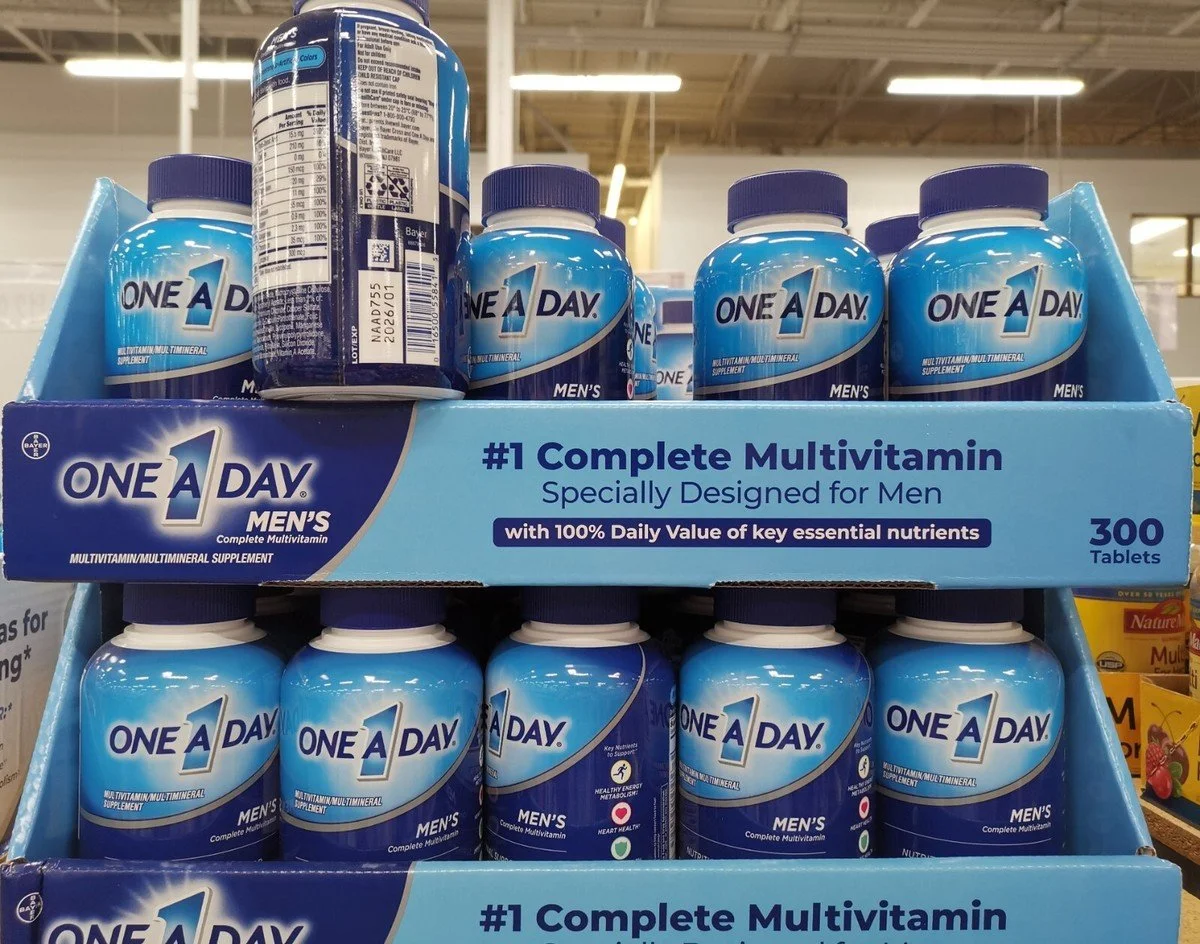
This one is more complicated than it initially appears.
The COSMOS research program studied a standard daily multivitamin in more than 5,000 older adults. Across three cognitive sub-studies, people assigned to the multivitamin showed statistically better performance in global cognition and episodic memory than those receiving placebo.
The effects were small. Researchers estimated that they were equivalent to approximately two years of cognitive aging, but that comparison was calculated from changes in test scores. It does not mean that the multivitamin delayed dementia by two years.
In fact, a separate COSMOS analysis did not find a significant reduction in new cases of mild cognitive impairment or dementia over three years. There were relatively few cases, so the analysis may not have been large enough to detect a small effect, but it certainly did not prove that multivitamins prevent dementia.
These findings also came from different sub-studies within one larger research program, not three completely independent clinical trials. The specific product studied was Centrum Silver, so we cannot assume that every multivitamin will produce the same result.
A standard, non-megadose multivitamin may be reasonable if your diet is inconsistent or you are at risk for nutritional gaps. It is inexpensive and generally low risk when used appropriately. Just keep your expectations modest. It is better understood as nutritional insurance with a possible small cognitive benefit than as a dementia-prevention treatment.
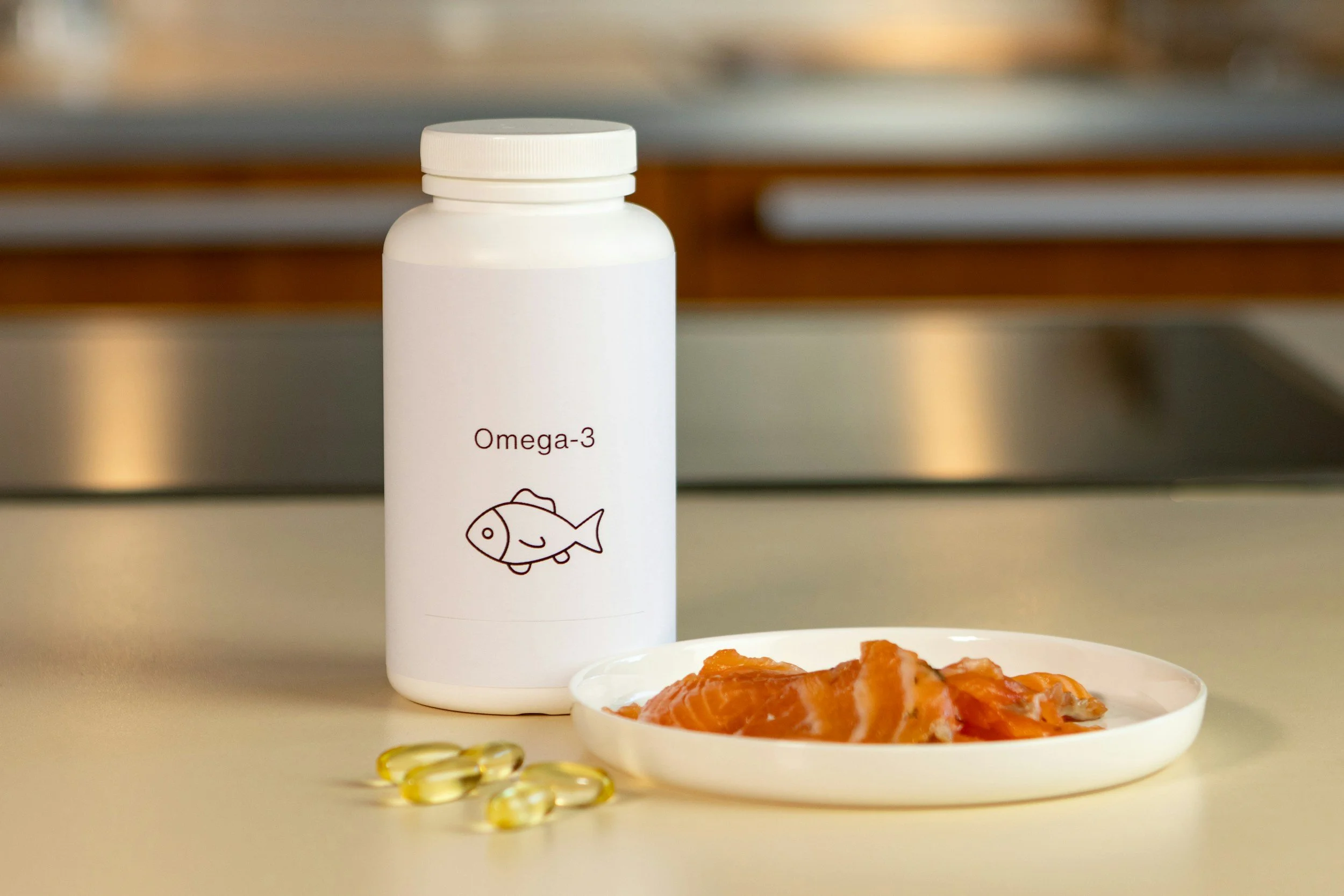
3. Omega-3 fatty acids
Omega-3s are available through food, over-the-counter supplements, and regulated prescription medications. Their best-established medical use is not boosting memory but lowering elevated triglycerides. At prescription doses, both EPA-only and combined EPA/DHA products can substantially reduce triglyceride levels.
This may still matter for brain health, although the connection is indirect. Cardiovascular disease, diabetes, and other vascular risk factors increase the likelihood of stroke, white-matter damage, and cognitive decline. Treating these conditions is therefore an important part of protecting the brain. However, we do not currently have evidence that lowering triglycerides with omega-3s specifically prevents cognitive decline.
One prescription product deserves particular attention. Icosapent ethyl, a purified EPA medication, reduced cardiovascular events in certain high-risk patients who were already taking statins and continued to have elevated triglycerides. This should not be generalized to every omega-3 product: a large trial of a prescription EPA/DHA combination did not find the same cardiovascular protection. (REDUCE-IT trial; STRENGTH trial)
The direct cognitive evidence is considerably less encouraging. DHA is an important structural component of the brain, but fish-oil supplements have not reliably improved cognition, prevented dementia, or treated Alzheimer's disease.
In the large VITAL-Cog study, omega-3 supplementation did not slow cognitive decline over approximately three years. More recently, the 2026 PreventE4 trial found that high-dose DHA successfully reached the central nervous system but did not improve cognition or brain structure over 24 months. (VITAL-Cog; PreventE4)
If your triglycerides are severely elevated or remain elevated while you are taking a statin and you also have cardiovascular disease, diabetes, or other major risk factors, ask your physician whether a prescription omega-3 is appropriate. Prescription products are concentrated, regulated, and studied at medical doses. OTC fish oil should not be used as a substitute for treating significant hypertriglyceridemia.
High-dose omega-3 treatment can modestly increase the risk of atrial fibrillation and bleeding in some patients. Discuss it with your physician if you have a history of atrial fibrillation, take anticoagulant or antiplatelet medication, are preparing for surgery, or have a fish or shellfish allergy.
For most people, the preferred approach is to eat fatty fish, such as salmon, sardines, trout, or herring, approximately twice per week. If that is not practical, an OTC fish- or algae-derived product may help increase omega-3 intake. Look for a product that lists the actual amounts of EPA and DHA, rather than simply saying "1,000 mg of fish oil," and consider reputable third-party testing.
Just keep the expectations realistic: Omega-3s may fill a dietary gap or treat a specific medical problem, but they are not a stand-alone treatment for memory loss.
4. Creatine monohydrate
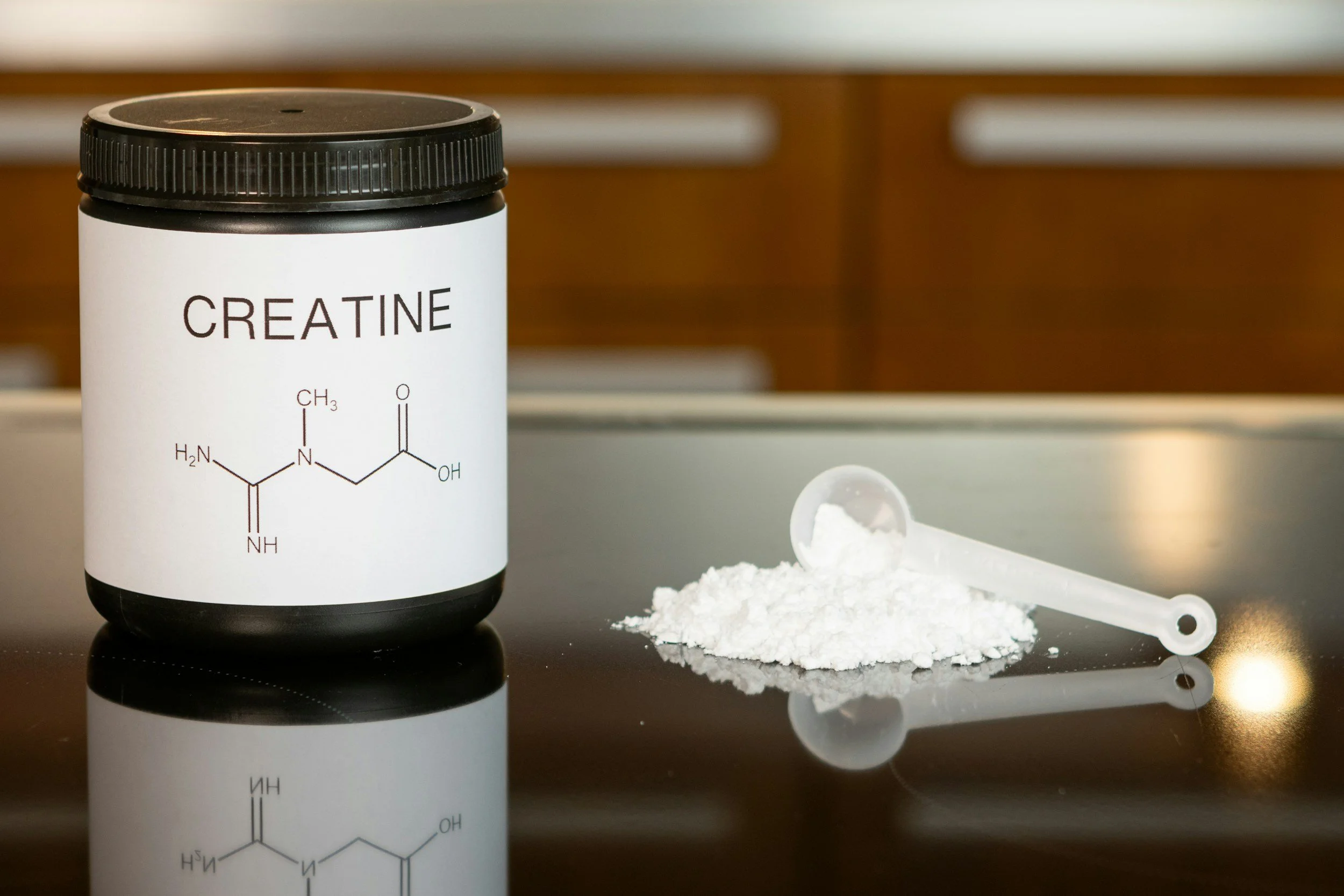
Creatine has received considerable attention as a possible cognitive supplement. It helps cells rapidly regenerate energy, which makes it important in both muscle and brain tissue.
A 2024 meta-analysis found small improvements in memory, attention time, and processing speed among adults taking creatine. However, it did not find a significant improvement in overall cognitive functioning or executive abilities. Benefits also appeared stronger in younger and middle-aged adults than in older participants. One caveat worth flagging: when EFSA's food-safety panel evaluated this same meta-analysis for a health-claim application, it found that the pooling method combined related, non-independent outcomes from the same studies and concluded that no firm conclusions could be drawn from it. So, treat these "significant" findings as unverified possibilities.
A newer review focused specifically on aging found only six relevant studies. Just two were double-blind supplementation trials, while the remainder were observational. That is not enough evidence to conclude that creatine preserves cognition or prevents dementia. (Creatine and aging review)
So why include it here?
Creatine has much better evidence for supporting strength, muscle mass, and resistance training. Those are meaningful benefits for older adults. Maintaining strength and mobility helps people remain active and independent, reduces frailty, and makes it easier to continue doing the physical activity that actually has stronger evidence for supporting brain health.
Creatine monohydrate is also inexpensive and one of the better-studied sports supplements. A typical maintenance dose is 3–5 grams per day, without requiring an initial "loading" period. However, people with kidney disease or complicated medical histories should discuss it with their physician first.
Our view is that creatine is reasonable for an older adult who is doing resistance training and wants to support muscle health. A cognitive benefit is possible, but it should be considered a bonus—not the primary reason to take it.
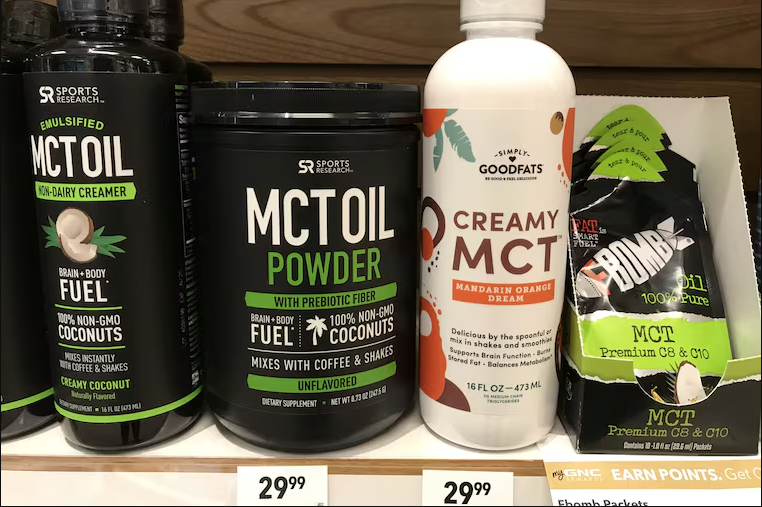
5. Medium-chain triglycerides for mild cognitive impairment
Medium-chain triglycerides, or MCTs, can be converted into ketones, which the brain can use as an alternative energy source. This has generated interest because the aging brains and those impacted by Alzheimer’s disease may become less efficient at using glucose.
In the BENEFIC trial, people with mild cognitive impairment consumed a ketogenic MCT drink for six months. The treatment group improved on selected measures of memory, verbal fluency, naming, and executive functioning. Other cognitive outcomes did not significantly improve.
This is promising, but there are several reasons for caution. The trial had substantial dropout, gastrointestinal problems were common, and the study did not show that MCTs prevented progression to dementia or altered Alzheimer's disease. Some of the researchers also had relationships with the company involved in developing the product.
A later meta-analysis found a possible benefit for general cognition but not for memory, language, or attention considered separately.
MCTs therefore should not be treated as a general brain supplement for every older adult. They may be worth discussing as a monitored experiment for someone with objectively diagnosed mild cognitive impairment. Diarrhea, nausea, stomach discomfort, and the additional calorie load can make long-term use difficult.
It is also important not to assume that adding coconut oil to everything will produce the same result. The clinical trials generally used specific, concentrated MCT formulations designed to raise blood ketone levels.
Five Supplements That Probably Are Not Worth It
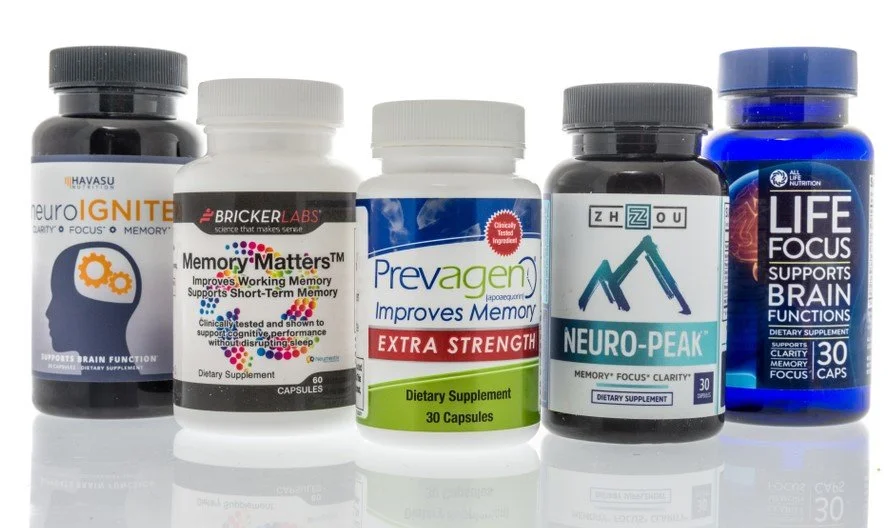
1. Prevagen and proprietary "brain health" blends
Prevagen is probably the most recognizable example of a heavily marketed cognitive supplement. Its main ingredient is apoaequorin, a calcium-binding protein originally found in jellyfish. It sounds scientific, which is apparently enough to sell a very expensive bottle of pills.
The evidence does not establish that Prevagen meaningfully improves memory. Its manufacturer's own study did not show a significant overall benefit on its primary cognitive outcomes. Positive advertising claims largely came from later subgroup analyses, which are particularly vulnerable to false-positive findings.
The Federal Trade Commission and the New York attorney general took the company to court over its advertising. In 2024, a jury concluded that the company had not substantiated its memory claims with reliable scientific evidence, and the company was subsequently ordered to stop making several of those claims. (FTC case summary; New York attorney general's summary)
The same general caution applies to proprietary "memory support" blends. These products often contain long lists of ingredients without clearly stating how much of each one is included. Some engage in "fairy dusting," meaning they add tiny amounts of trendy ingredients so they can display those names on the bottle.
Others contain caffeine or a related stimulant, which may temporarily increase alertness. That can make someone feel sharper for a few hours, but it is not evidence that the product improves memory or protects the brain.
At best, many of these blends create very expensive urine. At worst, their numerous ingredients make medication interactions and adverse effects difficult to predict.

2. Ginkgo biloba for prevention or ordinary memory complaints
Ginkgo biloba has been used medicinally for centuries and is commonly marketed as a natural way to increase blood flow and improve memory.
For cognitively healthy adults, the evidence is not convincing. The large Ginkgo Evaluation of Memory trial followed more than 3,000 older adults for approximately six years. Ginkgo did not prevent dementia, reduce Alzheimer's disease risk, or slow cognitive decline.
An updated 2026 Cochrane review reached a more nuanced conclusion. Ginkgo probably provides little or no benefit for people with subjective memory concerns or mild cognitive impairment. In people who already have diagnosed dementia, specific standardized extracts may produce small short-term improvements in cognition and daily functioning. However, results varied considerably across studies.
That does not justify buying a generic ginkgo supplement to prevent memory loss. The positive dementia trials generally involved particular standardized extracts, often EGb 761, rather than whatever happens to be available at the grocery store.
Ginkgo may also interact with medications affecting bleeding and may be inappropriate for people with seizure disorders or those preparing for surgery. If someone with diagnosed dementia wants to consider a standardized ginkgo extract, that should be a conversation with their treating physician. For everyone else, the evidence does not support it as a preventive memory supplement.

3. High-dose vitamin E and antioxidant supplements
Oxidative stress is involved in aging and neurodegenerative disease. This has been used to market countless "antioxidant" supplements as protection against brain aging.
Unfortunately, a plausible biological mechanism does not guarantee a useful treatment. This is an important fact to keep in mind with many proposed cognitive supplements.
Vitamin E has not been shown to prevent dementia or stop mild cognitive impairment from progressing to Alzheimer's disease. One trial found that 2,000 IU of vitamin E per day modestly slowed the loss of daily functioning in people with mild-to-moderate Alzheimer's disease. However, it did not significantly improve their cognitive test scores.
That dose is far beyond what someone would obtain through food and may increase bleeding risk or interact with anticoagulant medication. It should not be attempted without medical supervision.
More broadly, trials of vitamin C, beta-carotene, vitamin E, and similar antioxidant supplements have not demonstrated consistent cognitive protection. Antioxidant-rich foods are still worth eating. Fruits, vegetables, nuts, beans, and other plant foods provide fiber, micronutrients, and many compounds working together.
That does not mean isolating one antioxidant and swallowing an enormous dose will provide the same benefit.

4. Bacopa monnieri
Bacopa is an herb used in traditional Ayurvedic medicine and is frequently marketed for memory, learning, and concentration.
Some small trials have reported improvements in specific memory measures after several months of use. However, the studies use different extracts, doses, populations, and cognitive tests. Many have small sample sizes or a high risk of bias.
A 2025 randomized trial involving 101 adults found no significant benefit on its primary measures of verbal learning, attention, or working memory. People taking bacopa also reported more gastrointestinal symptoms and headaches.
Bacopa may increase acetylcholine, which creates potential interactions with anticholinergic medications and with cholinergic medications such as donepezil. It may also affect thyroid hormone and should be approached cautiously by people taking thyroid medication.
There may eventually turn out to be a particular bacopa extract that provides a small cognitive benefit. Right now, the inconsistency of the products and evidence makes it difficult to recommend, especially for an older adult already taking several medications.
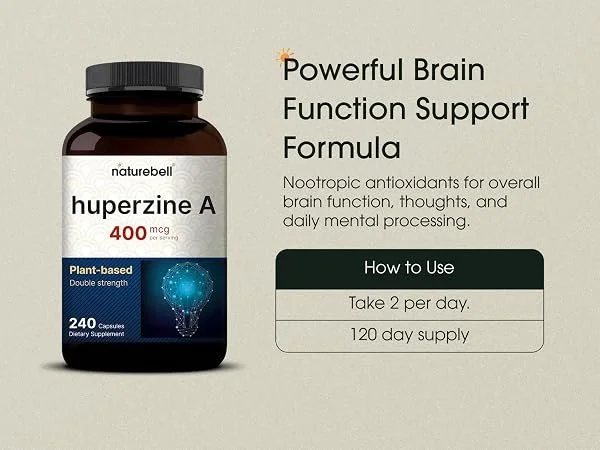
5. Huperzine A
Huperzine A is derived from Chinese club moss. Unlike many supplements that are primarily nutritional, it has a drug-like action: It inhibits acetylcholinesterase and increases acetylcholine in the brain.
That is the same general neurotransmitter system targeted by prescription Alzheimer's medications such as donepezil, rivastigmine, and galantamine.
Small studies have suggested possible cognitive benefits in Alzheimer's disease or vascular dementia, but reviews have repeatedly noted poor study quality, small samples, and inadequate reporting. Cochrane concluded that the available evidence was insufficient to establish whether huperzine A is an effective Alzheimer's treatment.
Because it acts on acetylcholine, huperzine A can potentially cause nausea, diarrhea, sweating, slowed heart rate, dizziness, sleep disruption, muscle cramping, or fainting. Combining it with a prescription acetylcholinesterase inhibitor could amplify these effects.
This is not something I would recommend experimenting with independently—particularly if someone has dementia, heart-rate abnormalities, or an already complicated medication list.
What About Citicoline, Curcumin, Tyrosine, Saffron, and Probiotics?
Several other supplements have interesting preliminary research but do not currently belong on a short list of proven cognitive interventions.
Citicoline has shown positive results in a few small studies, but the older-adult evidence is not sufficiently independent or replicated. Curcumin has promising laboratory research, and the newest trials disagree with each other: a 2025 meta-analysis of ten human studies found no significant overall improvement in global cognition, while a separate 2025 meta-analysis of a different set of trials found a significant benefit that was concentrated in participants over 60 taking at least 800 mg/day for 24 weeks or longer. Bacopa has inconsistent evidence, as discussed above.
L-tyrosine may help maintain performance during extreme sleep deprivation, cold exposure, or other acute stressors. Most of that research does not involve typical older adults concerned about dementia. In one small older-adult study, a higher dose actually worsened performance on a demanding working-memory task.
Saffron, strain-specific probiotics, magnesium L-threonate, and benfotiamine are all being studied. At this point, their positive evidence generally comes from small, short, highly specific, or manufacturer-connected trials. That makes them interesting research candidates but not established recommendations.
"Needs more research" does not mean "definitely does not work." It means that consumers should not be asked to spend substantial money based on marketing that is running far ahead of the evidence.
How to Evaluate a Supplement

Before buying something marketed for memory, ask yourself:
What exact problem am I trying to treat? A diagnosed B12 deficiency is a specific problem. "I want a younger brain" is not.
Was the product studied in people like me? A small study of sleep-deprived college students does not establish dementia prevention in adults over 70.
Was the exact ingredient and dose studied? Evidence for a standardized extract cannot automatically be applied to every product containing the same plant.
Did the study show a meaningful benefit? A statistically significant change on one cognitive test does not necessarily mean that patients or families noticed an improvement.
Did it prevent dementia—or just slightly change a test score? These are very different outcomes.
Could it interact with my medications? "Natural" substances can affect bleeding, blood pressure, heart rhythm, thyroid function, liver enzymes, sleep, and neurotransmitter systems.
Has the product undergone legitimate third-party testing? USP, NSF, or another reputable independent organization can provide some reassurance that the contents match the label. This does not prove that the supplement works.
Whenever possible, choose a single-ingredient product that clearly states its dose. Avoid proprietary blends, dramatic promises, celebrity testimonials, and claims that a product "detoxes," "reverses," or "shields" the brain.
The Bottom Line
The strongest argument for a supplement is usually not that it enhances an already healthy brain. It is that it corrects a documented deficiency, fills a meaningful dietary gap, or treats a medical condition that places the brain at risk.
That is why B12 can be extremely important for one person and useless for another. It is why prescription omega-3 medication can be beneficial for a specific cardiovascular patient while an OTC fish-oil capsule does nothing noticeable for someone else. It is also why a multivitamin can be reasonable without being a dementia-prevention drug.
If you are concerned about your memory, the most useful first step is not a trip to the supplement aisle. It is a proper evaluation. Medication effects, poor sleep, depression, hearing loss, alcohol use, thyroid disease, vitamin deficiencies, vascular illness, and many other treatable conditions can affect cognition.
For long-term brain health, the interventions with the strongest support remain much less flashy: regular physical activity, treatment of high blood pressure and diabetes, adequate sleep, addressing hearing loss, not smoking, limiting alcohol, maintaining social and cognitive engagement, and eating a balanced diet.